
Lord Krishna: Life, Teachings and Lasting Legacy
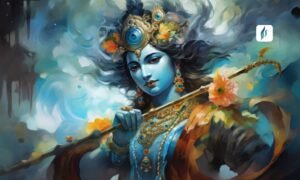
From a child in Vrindavan to the guide who helped Arjuna face one of the choices in Arjuna’s life, Lord Krishna has remained one of the most important figures in Indian spiritual tradition. Lord Krishna’s story is not just found in temples or religious books. Lord Krishna’s story has shaped philosophy, literature, music, art, and everyday ideas about duty, devotion, and how to live.
Who Was Lord Krishna?
Lord Krishna is one of the worshipped figures in Hinduism. In Hindu traditions, Lord Krishna is seen as an incarnation of Lord Vishnu. Lord Krishna is also considered the Supreme Being by devotees. According to stories, Lord Krishna was born in Mathura to Devaki and Vasudeva. At that time, King Kamsa ruled the land. He had heard a prophecy that Devaki’s eighth child would bring about his downfall. Fearing this, he kept Devaki and Vasudeva imprisoned.
After Krishna was born, Vasudeva took him away from Mathura. He carried the baby across the Yamuna River to Gokul. There Krishna was raised by Nanda and Yashoda. This is where many of the known stories about Krishna’s early years begin.
The stories of Krishna stealing butter, playing with children, and spending time with people in Vrindavan have made Krishna’s childhood one of the cherished parts of Hindu tradition.
What Role Did Krishna Play in the Mahabharata?
Krishna’s role in the Mahabharata becomes more significant. Krishna had ties with the Pandavas. Became Krishna’s trusted friend and adviser.
Before the war, at Kurukshetra, both Arjuna and Duryodhana came to Krishna for help. Krishna offered them a choice: one could take his army while the other could have Krishna himself without any weapons. Arjuna chose Krishna. Duryodhana chose the army.
So Krishna became Arjuna’s charioteer.
Krishna did not urge him to fight. Instead, he explained duty, action, the nature of the soul, and the need to act without being driven by attachment.
What Does Krishna Represent?
Lord Krishna stands for things of wisdom, devotion, compassion, courage, and righteous action.
His flute is one of the famous symbols associated with him. In traditions, its music represents the call of the divine. It draws people toward life. His role as Arjuna’s charioteer carries a meaning too. Krishna does not carry a weapon. He guides Arjuna. This image shows that wisdom and direction can help us through decisions.
Krishna lives in phases, and that is why Krishna is understood in many ways. Krishna is remembered as a child in Vrindavan, as a figure in devotional practices, as a leader in Dvaraka, and as a teacher in the Bhagavad Gita.
How did Krishna devotion spread across the globe?
Krishna devotion has been nurtured within Vaishnava traditions for centuries. In recent years organizations such as the International Society for Krishna Consciousness or ISKCON have taken Krishna devotion to countries, beyond India. ISKCON was founded in New York in 1966 by A.C. Bhaktivedanta Swami Prabhupada.
Why Is Janmashtami Celebrated?
On Janmashtami, devotees often visit temples, sing devotional songs, and take part in special prayers. Many celebrations continue until midnight because midnight is traditionally believed to be the time when Krishna was born.
Mathura and Vrindavan hold a place in Janmashtami celebrations because of their close connection with Krishna’s early life. Temples in these places are beautifully decorated. Devotees gather for prayers, music, and other celebrations.
For people, Janmashtami is not only about celebrating Krishna’s birth. It is also a time to reflect on Krishna’s teachings and remember Krishna’s stories. Strengthen devotion.
Conclusion
Lord Krishna continues to have a place in Indian culture and spiritual thinking. His stories take place in the world of Vrindavan. Also in the serious setting of the Kurukshetra battlefield. His teachings in the Bhagavad Gita talk about duty, devotion, and understanding yourself.