
Dr. Abdulla Ahmad Faraj: Giving Heritage the Tools to Reach the Future
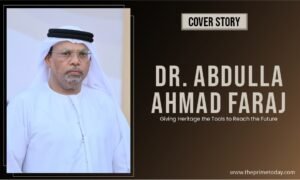
Reforming how camel racing is communicated, experienced and carried into the next generation, bringing together heritage, media, partnerships and modern sports management without losing the identity at its heart.
Heritage sports carry stories that cannot be measured by race results alone. They connect communities to their history, preserve knowledge and create a sense of belonging. Their future, however, also depends on helping new audiences understand why those traditions matter. For camel racing, that means communicating its cultural significance while responding to changing expectations in media, audience experience and commercial partnerships.
Dr. Abdulla Ahmad Faraj, Director of Media, Marketing, Partnerships & Events at Dubai Camel Racing Club, approaches this responsibility through a clear principle: modernise the method, not the essence of the identity. His work brings together communications, events and partnerships to strengthen the sport’s relevance while respecting its place in Emirati heritage.
Dubai Camel Racing Club organises, develops and regulates camel racing; it does not own racing camels. Within that institutional role, Dr. Abdulla’s focus is on connecting the sport with audiences, partners and the wider world.
Where Sport Meets Story
Over approximately sixteen years at the Club, Dr. Abdulla has worked across media, marketing, corporate communications, events, sponsorships and strategic partnerships. His experience has reinforced the importance of turning ideas into initiatives that teams can deliver and sustain.
A significant milestone was his initiative and concept for developing, organising and managing Al Marmoom Heritage Village. Bringing heritage, culture and audience experience together, the initiative helped present Emirati traditions in an accessible and engaging setting.
His work has also included developing a strategic approach to sponsorship, strengthening media and digital communications, and supporting heritage storytelling through Al-Dhoro magazine. These activities connect institutional objectives with practical opportunities to inform, engage and build relationships.
Continuous professional development in management, leadership, marketing, communications, sustainability, governance and international business informs his approach. For him, experience and learning should reinforce each other: knowledge becomes valuable when it improves decisions and the quality of execution.
Preserving the Sport, Changing the Language
Communicating camel racing requires respect for its traditions and an understanding of how people discover sport today. Established followers bring specialist knowledge; new audiences may need an introduction to its history, customs and cultural significance.
Dr. Abdulla sees the task as building connections between the racetrack and digital platforms, local and international audiences, and heritage value and contemporary expectations. The aim is to make the sport easier to understand without simplifying away what makes it distinctive.
Media, marketing, events and partnerships therefore need a common direction. When these functions work together, each race becomes part of a broader story about the sport, its community and the institution responsible for its development.
The Audience Has Changed
Audiences and partners now have more ways to engage and more specific expectations. Sponsors seek evidence of relevance and value, while audiences choose content from a constant flow of information on their phones.
This environment requires purposeful communication. A campaign needs to identify whom it intends to reach, why the message matters and what response it hopes to generate. Visibility is useful, but it becomes more meaningful when it leads to understanding, engagement or a stronger relationship.
Dr. Abdulla places emphasis on data, coordinated teamwork, timely decisions and post-campaign evaluation. He also recognises that numbers cannot substitute for credibility. People respond to stories they trust, especially when those stories represent a culture and its traditions.
Modernising Without Losing the Essence
For Dr. Abdulla, modernisation starts by distinguishing the sport’s cultural foundations from the tools used to present it. The identity deserves protection; production methods, communication channels and audience services can continue to improve.
Before introducing change, he considers whether it helps people understand the sport, improves their experience and creates lasting value while respecting authenticity. This provides a practical basis for assessing new ideas.
Multilingual content can make traditions accessible to international audiences. Digital storytelling can introduce younger viewers to people and practices behind the races. Artificial intelligence can support selected tasks when its use is guided by clear objectives and editorial oversight.
Innovation serves heritage best when it strengthens access, understanding and institutional capability.
When Sponsorship Becomes Partnership
A sponsor’s logo provides visibility, but a durable partnership requires an understanding of what both organisations want to achieve. Objectives may include audience engagement, reputation, hospitality, social impact or a sustained association with Emirati heritage.
Dr. Abdulla advocates translating those objectives into a programme with clear responsibilities, deliverables and measures. Content, public relations, digital platforms, events and joint initiatives can all contribute, provided each activity has a defined purpose.
The relationship should create value beyond a single appearance or race day. Regular communication and evaluation help both parties understand what is working and where the programme needs adjustment.
This approach treats sponsorship as a relationship to develop, with commitments that must be delivered and results that both partners can assess.
Beyond Race Day
A racing season offers a continuing story. Preparations introduce the season; race coverage captures results and key moments; subsequent reporting provides context and recognises achievements. Heritage features and community stories can maintain interest between major events.
Dr. Abdulla views these stages as connected parts of a communications programme. Planning them together helps teams use their resources effectively and gives audiences reasons to return.
It also gives partners a more sustained presence through relevant content and activities. The objective is consistent, purposeful communication that builds on each event, rather than a succession of isolated campaigns whose value ends when the event closes.
Measuring What Really Matters
Reach, views and impressions show the scale of exposure, but they offer only part of the picture. Dr. Abdulla also considers the quality of engagement and whether communication has achieved its intended outcome.
Useful questions include whether audiences returned, gained a better understanding of the sport or expressed interest in attending scheduled races. For partnerships, evaluation should consider the agreed objectives, quality of coverage, audience experience and the value delivered to the partner.
Learning matters as well. A campaign should reveal something that improves the next decision, whether about content, timing, audience needs or the way teams work together.
“Measurement, for me, is not a report designed to prove success. It is a tool for making better decisions.”
Knowing Who You Are Speaking To
Camel racing attracts specialists, heritage enthusiasts, families, tourists, younger viewers, international media and commercial partners. These groups do not all need the same information or use the same channels.
Effective communication begins with understanding those differences. Racing specialists may prioritise results and data. International visitors may need clear explanations of the sport’s history and traditions. Younger audiences may discover it through short videos and visual storytelling.
The institution’s identity remains consistent, while the language, format and depth of information respond to audience needs. This requires careful editorial choices rather than simply distributing the same material everywhere.
Data and AI can support audience understanding, but their value depends on responsible interpretation and human judgement. Communication should become more useful and relevant as the tools improve.
Building Partnerships That Last
One of Dr. Abdulla’s notable international experiences was a partnership with a German ice hockey club that continued for ten consecutive years. During that period, the Dubai Camel Racing Club logo appeared on players’ jerseys in domestic league matches, European competitions and games across different European countries.
The significance extended beyond brand exposure. The partnership created a sustained connection with a different sporting community, introducing new audiences to Dubai Camel Racing Club and providing a bridge to camel racing and Emirati heritage.
Working across different sports and markets requires an understanding of each partner’s priorities and operating environment. Continuity depends on communication, mutual respect and the ability to maintain value over time.
For Dr. Abdulla, the lesson is that an international partnership should be judged by the strength and longevity of the relationship, its contribution to institutional objectives and the opportunities it creates to reach new audiences.
From Strategy to Execution
A clear strategy becomes useful when people understand how to deliver it. Dr. Abdulla emphasises defined objectives, individual responsibilities, realistic deadlines and measures that reflect the work being undertaken.
Media, content, design, marketing, events and partnerships need to coordinate their efforts. Shared planning helps avoid duplication and ensures that the audience experience, partner commitments and institutional message support one another.
Leadership also requires familiarity with the practical details: budgets, content quality, delivery schedules and stakeholder expectations. That understanding should enable informed decisions while giving specialists the trust and space to contribute their expertise.
He values initiative within a clear framework and a working culture in which colleagues can question ideas, suggest improvements and learn from experience. Accountability means taking ownership of outcomes and using lessons to improve future performance.
Giving Heritage a Future
Dr. Abdulla sees the next phase of heritage sport as an opportunity to strengthen the connection between identity, technology, sustainability and international engagement. Future generations may first encounter camel racing through a video, a multilingual feature or a digital experience before attending a race.
Artificial intelligence can support content production, audience analysis, measurement and selected services and operations. But technology alone is not a strategy. Its application needs clear priorities, capable teams and an understanding of the cultural and institutional responsibilities involved.
Plans for wider adoption should be assessed through practical use cases, quality standards and measurable outcomes. Human oversight remains essential where accuracy, cultural meaning and institutional reputation are concerned.
For Dr. Abdulla, progress also depends on investing in people, maintaining professional standards and developing partnerships that support long-term objectives. Heritage is carried forward through the work of teams and communities as well as through institutions.
“Our responsibility is not simply to preserve heritage exactly as we received it. It is to make that heritage understandable, inspiring, and sustainable for the generations that follow us.”