
What Sets High-performing Cybersecurity Frameworks Apart
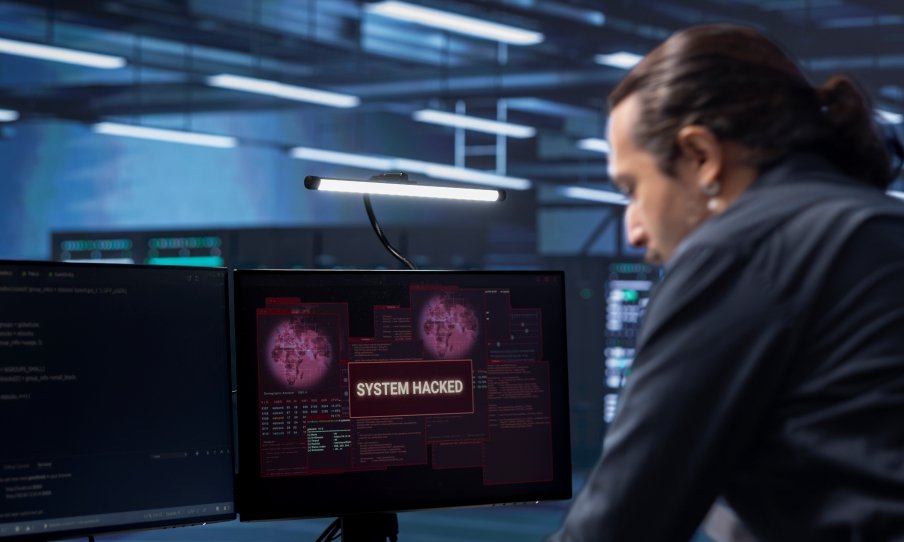
The Benchmark of Digital Security
The cybersecurity field has transformed into an essential organizational function because of the growing digital transformation that organizations experience today.
Organizations need complete cybersecurity systems that protect data and maintain business operations while building trust in online environments instead of relying on basic security tools like firewalls and antivirus software.
Digital security standards measure organizational performance based on their ability to predict upcoming threats and handle security breaches while developing better protective measures.
The ability to withstand disruptions while maintaining operational efficiency through intelligent threat detection systems and unified protective mechanisms defines the strength of cybersecurity systems in a world where cyber threats evolve continuously.
A Shift from Reactive to Proactive Security
Traditional cybersecurity methods are used to protect systems by waiting for actual security threats to happen before taking action. Modern security frameworks use proactive defense methods to detect system weaknesses and protect against potential attacks before they happen.
The system requires three essential components, which are continuous monitoring and threat intelligence, together with predictive analytics.
Organizations that adopt proactive strategies will experience decreased attack risks, together with improved security system performance. Organizations use proactive security measures to turn their cybersecurity operations into essential business functions.
Integration Across the Enterprise
The organization implements effective cybersecurity frameworks that function in all its operational areas. Security now extends beyond IT departments because it has become part of business operations and decision-making processes.
The integration process guarantees that security requirements are considered during product development and supply chain operations and customer service activities.
Cybersecurity practices have now become part of all the security processes that protect the organization. Enterprise-wide integration improves both organizational efficiency and accountability for security processes.
Risk-Based Security Management
Organizations should use risk assessment frameworks to identify which risks pose the highest threat to their operations. Leaders choose to protect their most important assets by focusing on the most critical security weaknesses instead of trying to protect all potential threats.
Through risk-based methods, organizations can distribute their resources effectively while protecting their most important operational and data security aspects. The strategic selection process improves total security results through its implementation.
Real-Time Monitoring and Threat Detection
Modern cybersecurity systems depend on continuous monitoring together with sophisticated threat detection systems for their operation. Security operations centers use analytics together with automation tools to detect and monitor suspicious activities that happen in real time.
Organizations that use early detection systems can respond to incidents with greater speed while they work to reduce overall impact.
Advanced tools can identify unusual patterns that lead to security breaches, and they begin to execute automated protection measures. Organizations that use advanced frameworks can achieve superior performance because real-time visibility serves as their main differentiating feature.
Incident Response and Recovery Capabilities
The high-performing frameworks need to establish effective incident response systems together with complete recovery plans. Organizations need to develop capacity for three essential tasks, which include breach containment, critical asset protection, and operational restoration.
Organizations establish response protocols to help teams respond quickly and handle incidents effectively. Organizations measure their resilience capacity through two methods, which include their ability to prevent threats and their capability to bounce back from them.
Data Protection and Privacy
The main goal of cybersecurity frameworks is to protect confidential information. The combination of encryption, together with access restrictions and data governance guidelines, establishes information protection measures. Organizations need to follow data privacy regulations that exist in their respective countries.
Businesses that implement robust data security measures will establish trustworthy relationships with their customers and business partners. The organization considers data security to be a fundamental technical requirement and an essential organizational objective.
Continuous Improvement and Adaptation
Cyber threats require organizations to update their security strategies because they develop new capabilities. The best frameworks contain processes that enable ongoing evaluation and enhancement of their systems.
Security systems need regular testing through audits, vulnerability checks, and security updates to maintain their protective capabilities.
Organizations that can quickly adapt to emerging threats develop stronger defense systems. The process of continuous improvement serves as the foundation for maintaining security systems throughout their entire lifespan.
Human Factor and Security Culture
Cybersecurity requires more than technological solutions because human actions create security risks, and security threats can be reduced through human behavior. Organizations must invest in training and awareness programs that educate employees about security best practices.
A strong security culture leads employees to maintain constant security awareness while conducting their work duties. Employees function as active defenders who protect an organization from security threats instead of being treated as potential security risks.
Conclusion
The benchmark of digital security lies in the ability to build frameworks that are proactive, integrated, and resilient. High-performing cybersecurity systems use advanced technology together with strategic leadership, risk management, and continuous improvement processes. Organizations that establish strong cybersecurity systems will achieve better asset protection, trust maintenance, and successful operations in their battle against rising security threats.
The modern enterprise needs cybersecurity for two purposes: to protect its assets and to enable its growth through secure operations.
Read Also : Aligning Intent: 5 Powerful Ways Driving Measurable Results 2026