
AI-Driven Industrial Transformation and Global Edge in 2026
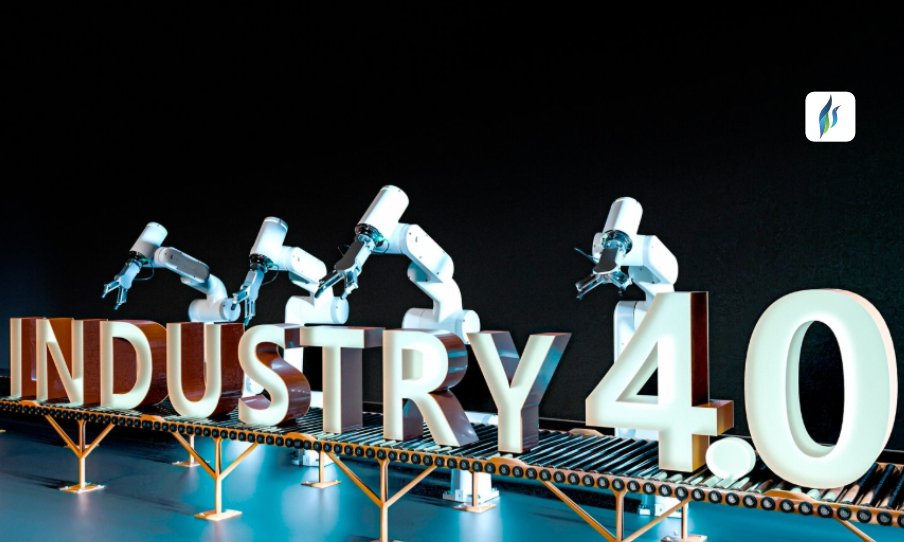
Artificial intelligence continues to transform the way industries function worldwide in 2026, as it is no longer just a conceptual roadmap but rather a tool that is concretely used to gain a competitive edge. Executives now consider AI as the main engine of growth, with 82% of them calling it the key factor for the next year. This change of focus is partly due to the new problems such as supply chain disruptions and shortened product lifecycles.
AI applications in the industrial sector are creating breakthroughs that affect various sectors. Companies are mainly focusing on AI for predictive maintenance, thus, they can make their production lines more efficient and in this way, reduce downtimes by up to 30% in their manufacturing centers. Siemens, as an example, has upgraded its 2026 forecast after the demand for AI and data centers soared, with smart infrastructure directing the way and orders increasing by 10% year, over, year.
Achieving supply chain sovereignty and CAPEX prioritization go hand in hand with AI trends. Firms deciding to manufacture locally as a result of geopolitical tensions launching a push to take advantage of mineral agreements between the US, EU, Japan, and Mexico are thus very well equipped for battery and tech necessities. Trump’s $12B critical mineral reserve is designed to protect US industries from foreign shocks.
Cleantech is rapidly emerging as a significant response to the energy needs spurred by AI. China has taken a leading role in green hydrogen, solar, and electric vehicles, and accordingly, the countrys electrolytic hydrogen exports have skyrocketed. Safe aviation fuel consumption reached 2MMt in 2025, and while the growth rate slowed down in 2026 due to the US policy changes, it is still considered quite high.
Commodity prices remain flat amid subdued demand in the EU, US, and China, offset by India and Southeast Asia. Trade barriers, including Trump’s tariffs, reshape buyer strategies globally. These dynamics demand agile adaptation for sustained industrial edge.