
The Future Of Wearable Technology May Soon Rest Safely On Your Finger 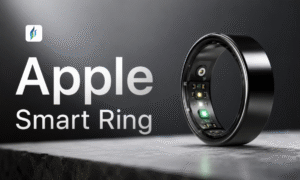
Change sweeps through wearables as people choose sleeker designs over heavy displays. Not long ago, wrists ruled fitness gadgets. Now attention shifts to fingertips. Interest grows there. Big names in tech spot the trend early. Talk spreads about Apple possibly stepping into rings. Others tried finger-based trackers first. Their success shows users want devices without screens. The industry watches closely. What Apple does next could reshape everything. Few details exist. Yet expectations build quietly. Most folks find rings easier to wear than watches when they sleep. Ditching the bright screen means less distraction at night. The tech still tracks everything it did before just without the light pollution. Comfort gets better since there is nothing poking or pressing during rest hours. Data stays accurate even though the device feels almost invisible on the finger.
Redefining Quiet Health Monitoring Beyond Screen Overload
Most people want out of the nonstop ping parade that comes with today’s gadgets. While fitness stats often earn praise, the relentless alerts tend to draw frustration. Instead of vibrating through meetings or glowing at bedtime, a quiet kind of tech steps forward – something like an apple smart ring. It slips into routines without announcing itself, doing its work where you hardly notice. Rest matters, and few things stay put during restless nights – but this does, hugging the finger without getting in the way. Close beneath the skin, finger blood vessels let rings detect bodily signals more sharply. Because of this layout, tracking changes in heart rhythm, oxygen in blood, or shifts in heat might happen effortlessly. No touch needed. Accuracy rises when sensors sit near pulsing capillaries. An Apple wearable shaped like a ring could capture such data quietly, moment by moment. Focused placement makes difference.
Unlocking New Dimensions In Ecosystem Integration And Gestures
Apple has built its global empire on the foundation of a tightly knit ecosystem where devices communicate with each other seamlessly. A specialized apple smart ring would likely serve as the ultimate connective tissue for this ecosystem, expanding beyond mere health tracking into an intuitive hardware controller. Imagine walking into a room and controlling your smart home lighting, skipping a track on your music playlist, or scrolling through your television menu with a simple flick of your finger. Patent filings suggest that an apple smart ring could leverage advanced skin-to-skin contact detection, allowing users to trigger complex commands by merely tapping two fingers together. Furthermore, an apple smart ring could act as a precision spatial controller for immersive headsets, replacing clunky hand-tracking cameras with exact, physical input from the hand itself. This level of interaction turns a passive piece of jewelry into an active digital wand, deeply anchoring the user within a frictionless technological environment.
Overcoming The Unique Engineering Challenges Of Microscopic Design
Shrinking advanced biometric sensors, a reliable battery, and wireless communication chips into a tiny metallic band presents a monumental task for developers. To make an apple smart ring truly viable, engineers must achieve multiple days of battery life within a frame that weighs only a few grams. Charging a device daily is frustrating enough on a wrist, but a ring demands a more passive, long-lasting power strategy to maintain user adoption. Additionally, an apple smart ring must solve the complex challenge of consumer sizing, since fingers naturally swell and shrink depending on temperature, hydration, and activity levels. Creating a durable, hypoallergenic exterior that feels natural during a rigorous workout yet elegant enough for a formal dinner requires meticulous material science. If an apple smart ring can successfully balance these physical constraints with top-tier processing power, it will solidify its place as a triumphs of micro-engineering.
Navigating Product Cannibalization And The Ultimate Wearable Choice
Perhaps the biggest internal hurdle for the tech giant is deciding how a compact finger wearable fits alongside its incredibly successful smartwatch lineup. Introducing an apple smart ring creates an interesting dilemma where consumers might choose to leave their watches behind in favor of a simpler lifestyle. However, a well-positioned apple smart ring does not necessarily have to replace existing devices, but can instead serve as a highly complementary accessory. Dedicated athletes might wear a watch during intense daytime training sessions and switch to an apple smart ring at night for superior comfort during sleep cycles. For the large demographic of traditional watch collectors who refuse to wear a screen on their wrist, an apple smart ring opens up an entirely new avenue to access modern health insights. By providing a diverse range of form factors, the expansion into finger-based technology ensures that everyone can participate in personal wellness tracking on their own terms.