
Dr. Mohammad Al Awadhi: Powering the Future of Intelligent Healthcare
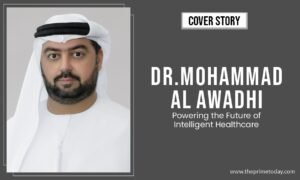
Healthcare is experiencing one of the most significant transformations in its history. Digital technologies are changing how medical services are delivered, how professionals collaborate, and how governments respond to the growing expectations of citizens. The leaders shaping this transformation understand that innovation becomes meaningful only when it improves everyday experiences, strengthens public trust, and creates lasting value for communities.
Dr. Mohammad Al Awadhi, Director of IT at the Ministry of Health and Prevention, has built his career around that philosophy. With a professional journey spanning telecommunication, Smart City development, and digital healthcare, he has consistently focused on using technology as a tool to solve real-world challenges. His experience has shown him that successful transformation is built on strong digital foundations, thoughtful leadership, and a clear understanding of how innovation can improve lives. Every stage of his career has reinforced the importance of connecting technology with purpose.
His professional journey began in the telecommunications industry, where he developed expertise in business development, digital infrastructure, strategic planning, risk management, and leadership. Working in an industry driven by constant technological advancement gave him a deep understanding of connectivity, customer experience, and the critical role digital infrastructure plays in supporting economic and social development. During more than sixteen years of leading Smart City initiatives, he witnessed firsthand how integrated digital ecosystems could transform public services, improve operational efficiency, and enhance the quality of life for citizens.
Those experiences naturally led him toward healthcare, a sector where digital transformation has the potential to create an even greater human impact. Today, Dr. Al Awadhi is dedicated to building intelligent, connected, and resilient healthcare ecosystems that combine advanced technologies with a strong focus on patient needs. Drawing on his multidisciplinary background, he bridges innovation with practical implementation, ensuring that emerging technologies such as artificial intelligence, cloud computing, advanced analytics, and cybersecurity deliver measurable benefits for healthcare professionals, patients, and society as a whole. His vision extends beyond digital modernization. It is about creating a healthcare system where technology supports better decisions, strengthens collaboration, and ultimately improves people’s lives.
Driving a Connected Future Through Digital Healthcare
As Director of IT at the UAE Ministry of Health and Prevention, Dr. Al Awadhi is leading this transformation with a clear focus on building a healthcare ecosystem that is digitally connected, secure, and centered around citizens. His priorities extend beyond introducing new technologies. They involve creating seamless healthcare experiences through stronger interoperability across government entities while integrating artificial intelligence, predictive analytics, automation, and cloud technologies into everyday healthcare operations.
Modern healthcare also demands unwavering attention to security. Dr. Al Awadhi believes resilient digital infrastructure and robust cybersecurity are essential foundations for public trust. By combining innovation with data privacy, operational resilience, and intelligent digital services, his team continues supporting the UAE’s ambition of becoming one of the world’s leading digitally enabled healthcare systems.
Forming the Foundations of Smarter Cities
Long before leading digital healthcare initiatives, Dr. Al Awadhi spent more than sixteen years contributing to the UAE’s Smart City transformation during his tenure at du. Looking back, he considers the greatest achievement not as a collection of individual projects but as helping shape an ecosystem where government services, digital infrastructure, and innovative technologies could operate together.
His work focused on creating integrated platforms that encouraged collaboration among multiple stakeholders while improving daily life for citizens and residents. Through shared digital infrastructure and connected service models, these initiatives demonstrated how technology could improve governance, increase operational efficiency, and support sustainable urban development.
Many of the lessons learned from those large-scale Smart City programs continue to shape his leadership in healthcare today. The same principles of collaboration, integration, and long-term planning remain central to building digital public services that create meaningful value.
Creating Public Services That Anticipate Citizens’ Needs
According to Dr. Al Awadhi, emerging technologies are changing the relationship between governments and the people they serve. Artificial intelligence is helping public institutions move beyond routine automation by enabling predictive decision-making, personalized services, and faster responses. Advanced analytics allows governments to transform vast amounts of information into meaningful insights that improve operational performance while supporting evidence-based policymaking.
Blockchain adds another important layer by strengthening transparency, security, and trust. Its potential extends across identity management, healthcare records, regulatory compliance, and trusted digital transactions where data integrity is critical.
He believes the greatest opportunity lies in bringing these technologies together within connected digital ecosystems. Rather than waiting for citizens to request assistance, governments will increasingly anticipate their needs and deliver services proactively. This shift represents a significant step toward creating more accessible, efficient, and personalized public services.
A Leadership Journey Shaped by Learning and Adaptability
Transitioning from business development into strategic technology leadership required far more than acquiring technical knowledge. Dr. Al Awadhi credits his evolution to continuous learning, adaptability, and maintaining a broad strategic perspective throughout his career.
His early experience in business development strengthened his understanding of customer expectations, value creation, and aligning technology with organizational priorities. As his responsibilities expanded, he invested heavily in areas such as enterprise architecture, cybersecurity, digital governance, and emerging technologies.
Equally important has been cultivating a mindset that welcomes change while encouraging innovation across multidisciplinary teams. He believes today’s technology leaders must combine technical expertise with business insight, communicate effectively across organizations, and inspire people to embrace transformation with confidence.
Using Innovation for Meaningful Results
Technology, in Dr. Al Awadhi’s view, delivers its greatest value only when it addresses real challenges faced by people and organizations. Every successful initiative begins by understanding practical needs before selecting the technology capable of solving them.
Projects are guided by clearly defined objectives, measurable performance indicators, and governance frameworks that align closely with broader organizational strategies. Prioritization depends on long-term impact, scalability, and sustainability rather than novelty alone.
Performance is continuously assessed through operational metrics and stakeholder feedback, allowing adjustments throughout implementation. This disciplined approach ensures innovation translates into measurable improvements in service quality, operational efficiency, and customer experience instead of remaining an ambitious concept.
Security First
As digital transformation accelerates, cybersecurity has become inseparable from technology leadership. Dr. Al Awadhi believes security should never be introduced after systems are built. Instead, it must be incorporated from the earliest stages of architecture, application development, cloud deployment, and operational planning.
His approach follows a security-by-design philosophy supported by continuous monitoring, proactive threat detection, Zero Trust principles, identity and access management, comprehensive risk management, and ongoing security assessments.
Technology alone cannot create secure organizations. Building awareness among employees remains equally important in strengthening resilience. Trust, he believes, is established through consistent protection of sensitive information, regulatory compliance, operational transparency, and an unwavering commitment to safeguarding digital services.
Learning as a Leadership Responsibility
Rapid technological advancement leaves little room for complacency. Dr. Al Awadhi views continuous learning as one of the defining responsibilities of modern leadership.
He stays connected with global research, international technology forums, executive education programs, academic collaborations, and industry experts to remain informed about evolving trends and emerging innovations. Yet some of his most valuable lessons come directly from practical experience.
Each transformation project provides new insights that influence future initiatives. Within his teams, knowledge sharing is actively encouraged because diverse experiences often generate stronger ideas. Leadership, in his view, is not measured by possessing every answer but by remaining curious, adapting to change, and creating an environment where others can continue learning alongside you.
The Mindset Behind Modern Leadership
Technology projects succeed because of people rather than systems alone. Throughout his career, several principles have consistently guided Dr. Al Awadhi’s leadership decisions during large-scale transformation initiatives.
Maintaining a clear strategic direction, placing people at the center of every decision, relying on evidence-based planning, and encouraging collaboration across organizations remain fundamental to his leadership philosophy. He also believes that empowering teams, encouraging fresh thinking, and maintaining resilience during periods of uncertainty are essential qualities for leaders managing change.
Open communication, accountability, and transparency strengthen trust among stakeholders and create alignment across complex initiatives. Ultimately, he measures success by the positive difference technology makes in the lives of individuals, organizations, and society rather than by the systems themselves.
Recognition That Reflects Collective Excellence
Receiving the IDC CISO Excellence Award 2026 represents an important milestone in Dr. Al Awadhi’s career, yet he views it primarily as recognition of the collective dedication of the teams working alongside him.
The award reflects their shared commitment to strengthening cybersecurity, building resilient digital infrastructure, and supporting the UAE’s broader vision for secure digital transformation. More importantly, it reinforces his belief that cybersecurity is no longer simply a technical discipline. It has become a strategic enabler that supports innovation while protecting public trust.
Rather than viewing the recognition as a destination, Dr. Al Awadhi sees it as motivation to continue investing in collaboration, talent, governance, and innovation. His focus remains firmly on creating secure, sustainable digital ecosystems that improve healthcare delivery while contributing to the future of public services across the UAE.
Cultivating Innovation from Within
Dr. Al Awadhi believes that digital transformation succeeds because people choose to embrace change, not simply because organizations introduce new technologies. While advanced digital tools can accelerate progress, lasting transformation happens only when teams feel motivated, trusted, and connected to a shared purpose.
His leadership approach is built around creating an environment where innovation is encouraged, collaboration happens naturally, and continuous learning becomes part of everyday work. Team members are given ownership of initiatives and the freedom to explore new ideas, with challenges viewed as opportunities to improve rather than obstacles to avoid.
Open communication and cross-functional collaboration play an important role in this culture. By encouraging knowledge sharing across departments, silos gradually disappear, allowing fresh perspectives and creative solutions to emerge. Every innovation, however, remains connected to a larger objective. Dr. Al Awadhi believes people perform at their best when they understand how their work contributes to better services and improved outcomes for citizens. That sense of purpose transforms individuals from participants into drivers of meaningful change.
The Technologies That Will Shape the Next Chapter
Looking ahead, Dr. Al Awadhi sees Artificial Intelligence becoming the defining technology across healthcare, government services, and smart cities. Its ability to support predictive decision-making, automate routine processes, personalize healthcare, and strengthen public services will fundamentally reshape how organizations operate.
He expects AI to become an essential partner for clinicians, policymakers, and government leaders by enabling faster, more informed decisions supported by real-time insights. At the same time, other technologies including Digital Twins, the Internet of Things, cloud computing, blockchain, advanced cybersecurity, and Generative AI will continue expanding the possibilities of digital transformation.
What excites him most is not the evolution of individual technologies but the emergence of connected digital ecosystems. Secure interoperability between healthcare providers, government entities, and citizens will make services more responsive, data-driven, and accessible. The future, he believes, belongs to systems that anticipate needs instead of merely reacting to them, improving both quality of life and operational efficiency.
Lessons Learned from Leading Change
Throughout his career, Dr. Al Awadhi has guided complex digital transformation programs across sectors with different priorities, stakeholders, and operational challenges. Those experiences have reinforced one lesson above all others: technology is rarely the most difficult part of transformation.
Managing change, building consensus, and bringing diverse groups together around a common vision often require far greater leadership than deploying new digital platforms. Sustainable transformation depends on trust, communication, and a willingness to listen as much as it depends on technical capability.
These experiences have strengthened his belief that successful leadership begins with people. Clear direction, transparent communication, meaningful stakeholder engagement, and strong governance create the conditions where ambitious ideas can evolve into measurable outcomes. Along the way, resilience, adaptability, and the ability to inspire confidence have become just as valuable as technical expertise.
Words for the Next Generation of Technology Leaders
Reflecting on his own professional journey, Dr. Al Awadhi encourages aspiring technology leaders to focus first on solving meaningful problems rather than pursuing technology simply because it is new.
He believes the strongest leaders combine strategic business thinking with technological knowledge, ensuring every initiative delivers measurable value for organizations and the people they serve. Curiosity and continuous learning remain essential qualities in an industry that evolves at remarkable speed.
Equally important are the human aspects of leadership. Building trusted relationships, communicating clearly, developing talented teams, and leading with integrity all contribute to long-term success. Adaptability and resilience allow leaders to navigate uncertainty while keeping their organizations focused on long-term objectives.
Above everything else, he believes leadership is measured by the ability to empower others. Technology may enable transformation, but meaningful leadership creates environments where people can innovate, grow, and improve lives through their collective efforts.
The Road Ahead for Global Leaders
Being recognized among the Top 5 Dynamic Leaders Everyone Should Know in 2026 represents an important milestone for Dr. Al Awadhi, yet he views the achievement as a reflection of the exceptional teams, partners, and colleagues who have contributed throughout his career.
His message to business leaders around the world is rooted in a simple belief: the future of digital transformation will be determined less by technology itself and more by the value it creates for people and society.
Artificial Intelligence, advanced analytics, cloud computing, and cybersecurity offer extraordinary opportunities, but their true impact depends on responsible leadership, thoughtful implementation, and a clear sense of purpose. Innovation must be guided by ethics, trust, resilience, and a commitment to creating meaningful outcomes rather than pursuing technology for its own sake.
Organizations that invest in people, encourage collaboration, embrace lifelong learning, and place citizens and customers at the heart of every decision will be best prepared for the future. Dr. Al Awadhi believes today’s leaders carry a responsibility that extends beyond organizational success. They have the opportunity to shape a world where technology strengthens communities, supports sustainable development, and creates opportunities for future generations. In his view, the most enduring innovations will always be those that improve lives while building a more connected, secure, and inclusive society.