
From Traditional Development to Technology-driven Property Ecosystems
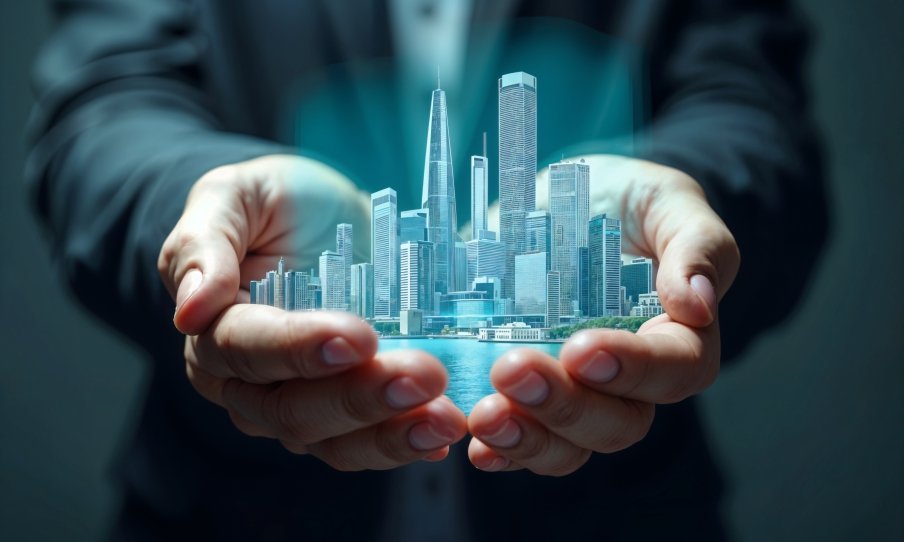
The Evolution of Modern Real Estate
The real estate industry is undergoing a fundamental transformation. Modern real estate operations have developed into a dynamic technology-based ecosystem which evolved from their previous focus on land acquisition and construction work and real estate sales transactions.
The current state of property development extends beyond traditional infrastructure development because it now includes digital system implementation and data analysis and operational platform development which transform space building and space operation and space usage.
Urbanization patterns and technological progress and consumer behavior changes drive this transformation. The real estate market is evolving from a fixed asset category into an interactive service ecosystem which connects humans with technological systems and physical spaces.
From Physical Assets to Integrated Ecosystems
The traditional approach to real estate development concentrated on physical construction activities which included building design work and project management and property delivery.
The modern real estate industry still requires these three elements but now extends its operations beyond just physical assets. Current real estate projects create complete ecosystems which deliver residential and commercial and digital service operations through one unified space.
The operational capabilities of properties increase through their smart infrastructure systems and shared resources and interconnected services. The real estate market now operates as an ongoing service delivery process instead of traditional single purchase transactions.
The Rise of PropTech
The real estate industry experiences its most significant transformation through property technology which people commonly call PropTech. Artificial intelligence and Internet of Things devices and blockchain technology are transforming the methods used to develop and manage properties.
The PropTech solutions provide building performance monitoring which occurs in real time together with systems that predict maintenance needs and automatic property management capabilities.
Digital platforms provide a more efficient process for leasing and tenant communication and financial transactions. The new technologies create better operational results and they also provide tenants with improved customer service.
Sustainability and Green Development
Sustainability has become the main focus of real estate development. Environmental factors determine all aspects of building material selection energy system design and urban planning processes. Green buildings use renewable energy sources together with water-saving technologies and environmentally sustainable building methods.
Developers now prioritize designing spaces that reduce their environmental footprint while maintaining operational performance for extended periods. Sustainable real estate development meets both environmental regulations and the demands of tenants and investors who value environmental protection.
Changing Tenant Expectations
Users today require more than basic space because they want experiences that will improve their way of life and work performance. New construction projects now require developers to include flexible workspaces and wellness amenities and community-oriented designs as their standard elements.
Tenants can use mobile applications to control their surroundings and request services while creating their own unique environments. Developers must redesign their property development process because current market demands require new property design methods and property management techniques.
The Shift Toward Real Estate as a Service
The concept of real estate as a service is gaining momentum. Property providers now deliver complete service packages which enhance user experience instead of restricting their offerings to either ownership or leasing.
The company provides its customers with various services, which include the following: concierge services, co-working spaces, smart home features, and community engagement initiatives.
The organization designs spaces that help people meet their requirements for both residential and commercial activities. The organization achieves two objectives through its service-based method, which helps tenants stay happy while building permanent value.
Investment and Financial Innovation
Real estate development creates new investment models through its ongoing transformation. Digital platforms are enabling new forms of property investment which include fractional ownership and real estate crowdfunding.
Technology-based transparency lets investors obtain full performance information while they can now access international markets with greater ease. The new technologies create better opportunities for people to invest in real estate while they boost the ability of markets to operate efficiently.
The Future of Urban Development
The process of integrating technological solutions into urban infrastructure systems and service delivery systems causes cities to establish better connectivity with their urban areas. Smart cities represent the next phase of real estate evolution, where buildings, transportation systems, and public services operate within unified digital frameworks.
Developers establish partnerships with technology providers and governmental bodies to design integrated urban ecosystems which enable sustainable development and better life quality. The real estate sector now serves as a primary force which drives urban development through innovative solutions.
Conclusion
Modern real estate development has progressed from its original methods to operate through technology-based real estate systems. The industry is transforming property development and management through its adoption of digital tools and data analytics and sustainable practices.
Real estate will operate as an active service-based system because tenant needs keep changing and technology advances. Organizations that embrace this transformation will create better user experiences while generating value and building smarter sustainable urban spaces.