
What is Regenerative Medicine and How Is It Changing the Future of Healthcare?
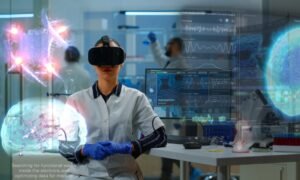
The Science of Repair
Regenerative medicine is changing healthcare by focusing on repairing, replacing or regenerating damaged cells, tissues and organs. The field brings together stem cell science, tissue engineering, biomaterials, gene therapy and related technologies to help the body restore function. NIH describes regenerative medicine as an approach that can create living, functional tissues for damaged cells, tissues or organs.
What is Regenerative Medicine?
Regenerative medicine is a broad area of biomedical research and treatment development aimed at restoring tissue function after injury, disease, aging or congenital problems. It includes cell-based therapies, tissue-engineered products, biomaterials, gene-based approaches and artificial or bioengineered organs.
The idea is simple: if the body cannot adequately repair damaged tissue on its own, medicine may be able to provide the cells, biological signals or structures needed to support that repair.
Human regeneration is limited. Skin and bone can repair themselves to some extent, while organs such as the heart and nervous system have much less regenerative capacity. Researchers are studying how to support those natural healing mechanisms.
How Does Regenerative Medicine Work?
There is no single regenerative medicine treatment. Different approaches work in different ways.
Stem cell therapy uses cells with the ability to develop into specialised cell types or support tissue repair. Scientists are also studying induced pluripotent stem cells, created by reprogramming mature cells into a more flexible state.
Tissue engineering combines cells, scaffolds and biological signals to create structures that can help replace or repair damaged tissue. Biomaterials can provide a temporary framework while new tissue develops.
Gene therapy can modify genetic instructions inside cells, while newer research is exploring ways to combine gene editing, engineered cells and biomaterials. NIH research programs describe regenerative medicine as including technologies such as stem cells, engineered biomaterials and gene editing.
Where is Regenerative Medicine Being Used Today?
Some regenerative approaches are already part of modern medicine, while many others remain experimental or are being tested in clinical trials.
Blood-forming stem cell transplantation is an established example. In the United States, FDA-approved cellular and gene therapy products now cover a growing range of indications. In 2025, the FDA approved ZEVASKYN, a cell-based therapy for wounds associated with recessive dystrophic epidermolysis bullosa, and SYMVESS, a tissue-engineered vascular conduit for certain adults with extremity arterial injuries.
In June 2026, the FDA also approved TREGZI, a donor-cell-based therapy used with matched-donor stem cell transplantation for certain adults with blood cancers. These developments show how regenerative and cell-based technologies are moving from laboratory research into defined clinical applications.
Can Regenerative Medicine Treat Chronic Diseases?
Researchers are investigating regenerative medicine for conditions involving damaged nerves, joints, cartilage, bone, skin, blood vessels and other tissues. The long-term goal is to restore function rather than simply reduce symptoms.
Evidence varies widely by therapy and condition. A promising laboratory result does not automatically mean a treatment is ready for routine clinical use.
This is important because clinics also promote unapproved stem cell and exosome treatments. The FDA warns that many products marketed as regenerative medicine have not been approved for the conditions they claim to treat.
What Role Will Stem Cells Play in the Future of Healthcare?
Stem cells are likely to remain central to regenerative medicine because they offer ways to produce or support specialised cells. Induced pluripotent stem cells are especially important for research because scientists can create them from mature cells and study disease or develop potential personalised therapies.
The future may involve combining several technologies. Researchers are exploring engineered cells, biomaterials and personalised scaffolds that can deliver living cells or biological signals where they are needed. This work also faces challenges involving cell survival, control of cell behaviour and immune responses.
Could Regenerative Medicine Make Personalised Treatment More Common?
Personalisation is one of the field’s promising directions. Bioengineered scaffolds can potentially be designed around a patient’s anatomy, while cells may be derived or modified for specific therapeutic purposes. Researchers are studying 3D printing and other manufacturing methods to create customised regenerative implants.
But personalised regenerative medicine also brings challenges, including manufacturing consistency, immune reactions, safety, cost and regulatory oversight. These treatments are living or biologically active systems, making quality control more complex than producing a conventional tablet.
What Are the Challenges of Regenerative Medicine?
The science is advancing, but regenerative medicine is not a universal cure. Researchers still need to solve problems involving cell survival, immune rejection, uncontrolled cell growth, delivery, tissue integration and long-term safety.
Regulation is equally important. The FDA notes that unapproved regenerative medicine products can carry risks including infection, unwanted immune reactions, unintended tissue growth and failure to work as expected.
The Future of Regenerative Medicine
Regenerative medicine is moving healthcare toward a different question: can damaged tissue be repaired instead of permanently managed?
The answer will depend on continued clinical research, stronger manufacturing standards and evidence showing which therapies work for which patients. Some regenerative treatments are already established, while others remain experimental. As stem cell biology, gene therapy, biomaterials and tissue engineering converge, regenerative medicine could expand the range of conditions for which doctors can restore damaged tissue and function.
For patients, progress will come when promising science becomes safe, tested and accessible treatment.