
Why Agility, Collaboration, and Innovation Define Today’s Organizations
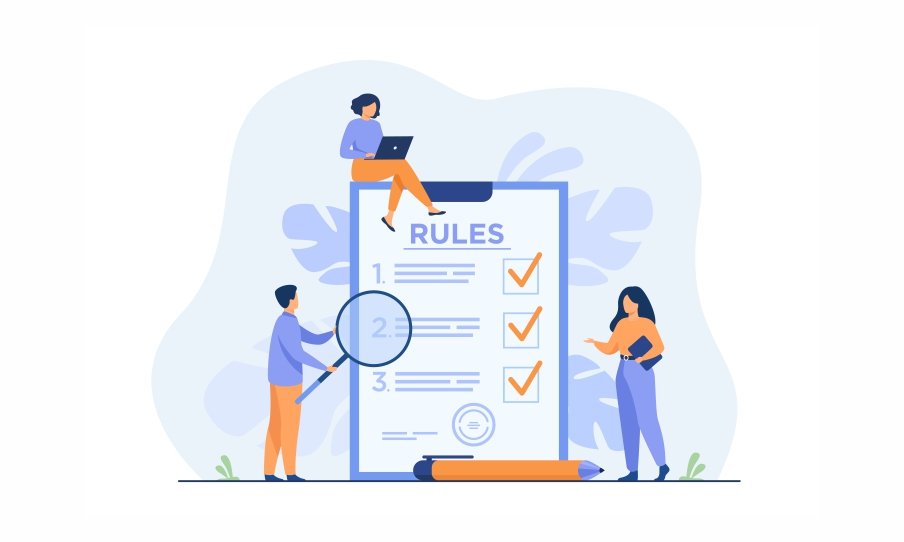
The New Rules of Management
Enterprise management today requires organizations to adopt flexible operational systems that replace traditional hierarchical structures and fixed business procedures. Organizations need to adapt their operations because three factors have transformed business practices: technological progress, changing customer needs, and international market competition.
The new management principles that were developed after that period emphasize three core elements: agility, teamwork, and creative solutions. Organizations establish strategic links through these capabilities, which provide them with essential methods to manage organizational changes while keeping their main objectives intact.
The new rules of management reflect a shift from control to adaptability, from individual authority to collective intelligence, and from stability to continuous evolution.
Agility as a Core Management Capability
Business agility has developed into a vital requirement for organizations to handle their operations in constantly changing environments. Fast-moving markets make traditional long-term planning cycles ineffective because these markets experience rapid environmental changes.
The agile management method provides organizations with three main abilities that enable them to adapt their work activities through multiple development stages while responding to customer feedback.
The leadership team urges their teams to develop quick response abilities, which will enable them to evaluate concepts and adjust their operational methods using current performance data.
Organizations can use this method to maintain their operational speed while they deal with new opportunities and unexpected challenges. Businesses need agility to keep their management systems up to date in a world where conditions change continuously.
Collaboration Across Boundaries
Modern organizations operate across multiple functions, geographies, and disciplines. The organization needs collaboration to connect its different activities and resolve their intricate challenges. Teams achieve optimal performance when effective management creates environments that support their collaboration. Cross-functional collaboration enables organizations to combine expertise from different areas, leading to more comprehensive solutions.
Leaders who promote open communication and shared responsibility between employees create stronger organizational bonds. Collaboration improves organizational efficiency while driving new methods of innovation.
Innovation as a Continuous Process
Organizations require ongoing innovation to achieve their organizational success. Companies must continuously develop their products and services and operational systems to maintain their market position. Modern management practices focus on developing work environments that enable successful innovation processes to take place.
Organizations need to create conditions that support experimental work, creative thought development, and learning from unsuccessful attempts. Organizations establish their ability to grow sustainably through their commitment to continuous innovation practices.
From Hierarchy to Networked Organizations
The conventional management systems required organizations to establish specific hierarchical structures, which included predetermined reporting procedures. The hierarchical structures established order, but they restricted operational flexibility and caused delays in decision processes.
Networked organizational structures have become more common in modern organizations because they enable better information distribution and support decentralized decision-making.
Teams can work independently while following the company’s strategic objectives. Organizations gain faster response times and improved collective intelligence through this transformation.
Empowering Teams and Individuals
The new rules of management place greater emphasis on empowerment. Employees need to take initiative because they have the right to share their ideas and make decisions about their work.
Teams that receive empowerment tend to work with higher levels of engagement while they achieve better results. The teams possess better capabilities to handle challenges because they do not need to wait for the central authority to give them permission to act.
Organizations achieve better results through empowerment because it helps to boost their organizational performance and cultural development.
Data-Driven Management Practices
Data functions as the primary element that drives current management practices. Organizations use analytics to track their performance while they analyze customer behavior and use data to make strategic business decisions.
Data-driven management enables organizational leaders to make better decisions, which help them find areas that need development.
Organizations can use real-time data to change their operational methods without delay. The analytical method improves both operational productivity and strategic decision-making processes.
Balancing Structure with Flexibility
The organizations need a structure to establish consistent operations, which will enable them to monitor performance. The effective management of both components requires a system that enables managers to control their work activities.
The leaders of organizations need to create systems that establish clear operational boundaries yet permit their teams to make necessary adjustments.
The organization needs to maintain operational control while supporting its innovation efforts. Organizations that achieve this equilibrium gain greater chances for long-term success.
Conclusion
The new rules of management show how modern organizations operate through their three core elements of agile work methods and team collaboration, and their ability to develop new solutions. The principles enable organizations to handle complex situations and adapt to changing conditions while they achieve ongoing development.
Organizations that want to compete in today’s fast-changing international market should implement flexible organizational structures that grant teams decision-making authority and create an environment for continuous knowledge development and creative solution development.
The current business environment requires executives to shift their focus from control-based management practices, which they used to maintain power, toward methods that help organizations create progress.