
Supply Chains Brace for Impact After US Announces Heavy Tariffs on Select Brazilian Trade
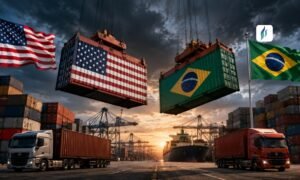
U.S. Trade Representative Jamieson Greer announced a 25 percent tariff on select Brazilian imports Wednesday. The National Confederation of Industry says this impacts 4,000 products like sugar, pig iron, wood moldings, ethanol, and tobacco, representing 15 billion dollars in trade. A year-long probe claimed Brazil harms American commerce via digital trade, tariffs, intellectual property, ethanol access, deforestation, and the Pix payment system, which allegedly disadvantages credit card companies. Greer stated this ensures American workers compete fairly.
A Brazilian official noted they held dozens of meetings, including seven last month, but called U.S. demands impossible. The U.S. requested exclusive lower tariffs, which Brazilian law forbids granting unilaterally. U.S. Secretary of State Marco Rubio argued President Luiz Inacio Lula da Silva put his ego above his people and did not negotiate in good faith. Foreign Affairs Minister Mauro Vieira sent a letter calling the investigation arbitrary economic pressure and refuted all claims.
Brazil is the first target of President Donald Trump’s new Section 301 strategy, adopted after the Supreme Court struck down his global policy in February. The U.S. currently has 80 similar open investigations. The rules exempt beef, coffee, rare earths, and aircraft parts. These avoided a prior 40 percent tariff linked to the arrest of former President Jair Bolsonaro, a Trump ally serving house arrest for fighting the 2022 election results.
Political tensions eased recently, but these tariffs arrive just before Lula faces Senator Flavio Bolsonaro in the upcoming election, and Brazil might retaliate. Another forced labor investigation concludes on July 24, potentially adding a 12.5 percent penalty and raising the total burden to 37.5 percent. Confederation president Ricardo Alban said this hurts companies in both nations. The U.S. share of Brazilian trade hit 9.7 percent recently, down from 12.1 percent in 2025, marking the lowest level since 1997. Officials warned this forces them to seek partners like China, stating the Trump administration is shooting themselves in the foot and pushing Brazil toward Asia.