
How Can Airports Use AI and Digital Transformation to Improve Passenger Experience?
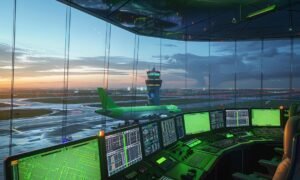
Smarter Airports!
An airport can have beautiful terminals, polished lounges and plenty of screens, yet still leave passengers frustrated. Usually, the problem is not the building. It is the waiting.
A long security queue. A delayed bag. A gate change that appears too late. A passenger who cannot find the right terminal or understand what to do next. These small moments can shape the entire journey.
This is where AI and digital transformation can make a practical difference. The goal is not to fill airports with more technology. It is to remove some of the friction passengers encounter from the moment they arrive until they board.
The shift is already underway. SITA’s 2025 airport technology research found that 60% of airports use AI for passenger-flow management, while 77% have self-service kiosks and 63% use automated bag drop.
Can AI Make Airport Queues Shorter?
One of the most useful applications of AI may be something passengers barely notice: preventing a queue from becoming a problem in the first place.
AI systems can analyse passenger movement and predict where congestion is likely to build at check-in, security, immigration or boarding. Airport teams can then open additional lanes, move staff or redirect passengers before the crowd becomes unmanageable.
SITA reports that AI is already being used for passenger-flow management, with 73% of airports planning to increase AI investment over the following two years.
For a passenger, the benefit is simple: less time standing still.
How Can Digital Identity Change the Airport Journey?
A passenger who repeatedly has to show a passport, boarding pass or other document at different checkpoints is doing the same administrative task several times.
Digital identity and biometrics could change that.
Instead of repeatedly presenting documents, passengers can use a verified digital identity and biometric recognition at different stages of the journey. IATA’s 2025 Global Passenger Survey found that 50% of travellers had used biometrics at an airport, and 85% of those users were satisfied with the experience. The survey also found that 74% would be willing to share biometric information if it allowed them to move through checkpoints without repeatedly showing physical documents.
That could make check-in, bag drop, security and boarding feel more like one connected journey than a series of separate queues.
What Can AI Do When a Flight Is Delayed?
This is where good airport technology should feel less like technology and more like good service.
When a flight is delayed, passengers want answers. Which gate should they go to? Has boarding changed? Will they miss their connection? Where is their baggage?
AI-powered systems can bring information from different airport and airline systems together and deliver relevant updates through apps, screens or customer-service tools. SITA reports that 57% of airports use AI in customer-service tools for real-time updates and routine queries.
The real opportunity is not simply answering questions faster. It is giving passengers the information they need before they have to start looking for it.
Can Technology Improve Baggage Handling?
Few things are more frustrating than arriving at the destination without a bag.
Digital baggage tracking can give passengers greater visibility while helping airlines and airports understand where luggage is during the journey. IATA’s 2025 passenger survey found that 88% of travellers would feel more confident if they could track their baggage in real time.
This also gives airports useful operational information. When technology can identify where a bag is and where a problem has occurred, staff have a better chance of dealing with the issue before it becomes a bigger passenger complaint.
How Can Airports Make Their Apps More Useful?
Many airport apps already provide flight information, maps and notifications. The next step is making those tools genuinely useful during stressful moments.
A passenger should not have to search through several screens to find a gate change or figure out how long it will take to reach the gate.
IATA found that 78% of passengers want a smartphone application that combines a digital wallet, digital passport and loyalty cards so they can manage booking, payment and airport processes in one place.
The opportunity is to create a digital companion that understands where the passenger is in the journey and gives them the next useful piece of information.
What About Passengers Who Do Not Want More Technology?
A smarter airport should not become an airport that assumes everyone is comfortable with technology.
Older travellers, families with young children, passengers with disabilities and people unfamiliar with the airport may still need human assistance. Digital systems should make that support easier to provide, not remove it.
There also needs to be a clear choice around biometric identification and personal data. IATA has highlighted privacy and cybersecurity as important issues in digital travel, particularly as airports collect and share more sensitive information.
Technology works best when passengers understand what is happening and trust the systems they are being asked to use.
What Will a Smarter Airport Actually Look Like?
The smartest airport may not be the one with the most visible technology.
It may be the airport where passengers spend less time wondering what to do.
AI can help predict crowds. Digital identity can reduce repetitive document checks. Automated baggage systems can make luggage easier to track. Mobile platforms can bring information together. Behind all of this, connected data can help airport teams make decisions earlier.
That is what digital transformation should ultimately deliver: a journey that feels simpler because the complicated work is happening in the background.
Conclusion
Airports cannot remove every delay, security check or unexpected disruption. Air travel is too complex for that.
But they can make the experience around those unavoidable moments better.
The future of airport technology is therefore not really about replacing people with machines. It is about using machines to handle information, predict problems and remove unnecessary friction, while leaving people to handle the moments that require judgment, empathy and help.
For passengers, that is what a smarter airport should feel like: less waiting, fewer questions and a journey that simply makes more sense.