
Navigating the Future: Key Digital Media Trends and Shifting Consumer Habits
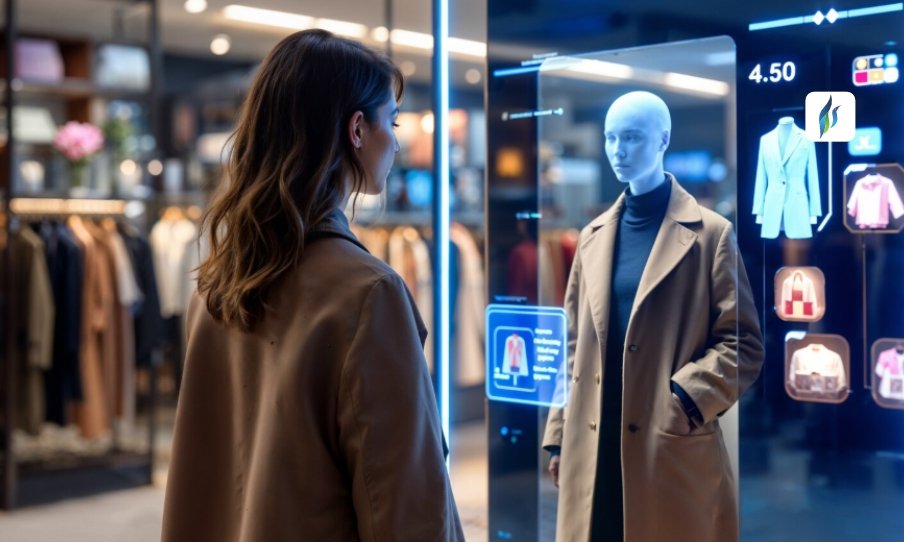
The landscape of the internet is undergoing its most significant transformation since the dawn of the smartphone. As we move through 2026, staying ahead of digital media trends is no longer just a strategy for growth—it is a requirement for survival. The rapid integration of artificial intelligence into our daily lives has fundamentally altered how we interact with information. We are moving away from a world of manual browsing and toward an era of “agentic” interaction, where AI assistants and sophisticated algorithms curate our experiences before we even realize what we are looking for. Understanding these digital media trends is essential for any brand or creator looking to maintain visibility in an increasingly crowded and automated digital ecosystem.
The shift is not just technological but deeply psychological. Consumers are facing “digital fatigue,” leading to a rise in demand for “cozy” and “calming” content that prioritizes meaningful connection over addictive scrolling. This evolution in digital media consumption trends suggests that the era of “virality at any cost” is being replaced by an era of “resonance and community.” People are becoming more protective of their time and attention, opting for platforms and content that provide immediate value, authenticity, and a sense of belonging. To succeed today, one must look beyond simple traffic metrics and focus on how these digital media consumption trends reflect a desire for more human-centric digital experiences.
The Rise of the Agentic Web and AI-Driven Discovery
One of the most dominant digital media trends in 2026 is the transition from traditional search engines to AI-led discovery. Users are increasingly bypassing the classic list of blue links in favor of conversational interfaces that provide direct, synthesized answers. This shift has forced a move from traditional keyword optimization to “Generative Engine Optimization.” In this new environment, being the “source” of information is more valuable than simply being the “destination.” Brands are now focusing on becoming authoritative voices that AI models can quote, ensuring they remain relevant as search becomes a multi-modal experience involving text, voice, and even visual queries.
Furthermore, the rise of “AI agents” is redefining the user journey. These agents act as digital intermediaries, handling everything from booking travel to filtering news feeds based on a user’s specific preferences. This means that digital media trends are shifting toward “permission-based” marketing, where the goal is to convince a user’s AI assistant that your content or product is a worthy recommendation. This layer of automation is creating a “frictionless” web for the consumer, but a more complex environment for marketers who must now optimize for both human emotion and machine logic.
The Evolution of Video and “Couch Viewing” Habits
When examining current digital media consumption trends, it is impossible to ignore the evolution of video content. While short-form video remains the “baseline” for engagement on platforms like TikTok and Instagram, we are seeing a surprising return to “long-form” logic, specifically through “couch viewing.” More people are watching YouTube and streaming services on their living room televisions rather than mobile devices. This trend has elevated production standards; audiences now expect clear structures, high-quality audio, and “show-like” formats even from independent creators.
This change in digital media consumption trends has also led to the “micro-drama” phenomenon, where serialized, high-stakes storytelling is used to capture shrinking attention spans. Interestingly, while the quality of production is rising, the “vibe” of the content is leaning toward the “unfiltered.” Consumers are showing a strong preference for user-generated content (UGC) and creator-led narratives over polished, corporate advertisements. This duality—high production value paired with raw, authentic storytelling—is a hallmark of the current media landscape, proving that how a message is delivered is just as important as the message itself.
Community-First Platforms and the Death of the Hashtag
As social feeds become increasingly saturated with AI-generated content, another significant shift in digital media trends is the move toward private, community-focused spaces. Platforms like Discord, Reddit, and even private WhatsApp groups are becoming the primary hubs for authentic interaction. The traditional “broadcast” model of social media—where a brand posts to a mass audience—is losing its effectiveness. Instead, the most successful entities are those that foster “digital third places” where users can engage in real-time conversations and find niche communities that align with their specific identities.
Parallel to this is the “quiet death of the hashtag.” Algorithms have become so sophisticated that they no longer rely on tags to understand content. Instead, they use AI to analyze captions, on-screen text, and even the audio track to determine relevance. This reflects broader digital media trends where clarity and context outweigh clever tagging. To stay discoverable, creators must ensure their content is inherently descriptive and aligns with the actual intent of the user. In this environment, the “search-first” mindset applies to every platform, from LinkedIn to TikTok, making accessibility features like closed captions and alt-text vital for both inclusivity and algorithmic reach.
Personalization and the New Standards of Trust
The ultimate goal of analyzing digital media consumption trends is to understand how to build lasting trust in a skeptical age. With the internet awash in deepfakes and AI-generated “slop,” authenticity has become the most valuable currency. Brands that are transparent about their use of AI—using it to enhance creativity rather than replace human insight—are the ones winning over audiences. Hyper-personalization is now a baseline expectation; consumers want content that feels tailor-made for their current needs, location, and interests, but they want it delivered with a human touch.
As we look at the trajectory of digital media consumption trends, it is clear that the future belongs to those who can balance efficiency with emotion. Whether it is through AI-powered shopping assistants that act as “polite receptionists” or through “nostalgic remix” content that connects with our shared history, the objective remains the same: to make the user feel seen and heard in a digital world that often feels cold and automated. By staying attuned to these evolving behaviors, we can navigate the complexities of 2026 and build digital experiences that are not just seen, but truly felt.