
Industries Globally Pivot to AIDriven, Green Growth Models
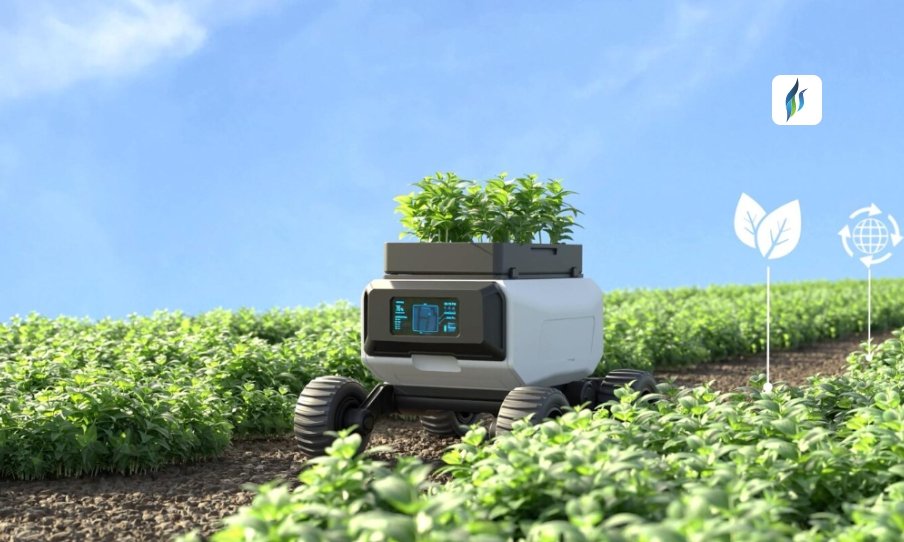
Across the world, industries are redefining themselves around AIdriven automation, decarbonization, and digitallyenabled services, reshaping the global economic landscape in 2026. Major sectors—from manufacturing and automotive to financial services and real estate—are upgrading to “Industry 4.0” environments that blend smart factories, IoTconnected assets, and predictive analytics to cut costs and improve responsiveness. At the same time, climatelinked regulations and investorpressure are pushing firms toward netzero roadmaps, circulareconomy practices, and cleaner supplychain models, especially in energyintensive industries.
In 2026, the biggest global industries by revenue, including commercial real estate, commercial banking, automotive, and oil & gas, are all experimenting with AIenabled workflows to offset labor shortages and volatility. Banks are using AI for risk pricing and fraud detection, automakers are rolling out overtheair software updates and datadriven services, and realestate giants are deploying sensors and analytics to optimize building operations and occupancy. Manufacturers, meanwhile, are investing in connected production lines and digital twins, which simulate operations in real time and flag potential failures before they arise.
Geopolitical shifts and trade realignments are also forcing firms to diversify suppliers, reshore critical components, and build more resilient regional clusters. Simultaneously, emerging technologies such as advanced semiconductors, 5G, and edge computing are enabling new businessmodel experiments, from AIasaservice to roboticsdriven logistics. As global markets tilt toward highefficiency, lowcarbon, datarich value chains, the overarching trend is clear: industries are no longer judged only by scale but by how intelligently, sustainably, and resiliently they operate in an era of rapid technological and environmental change.