
Discovering Porto-Novo: The Vibrant Heritage and History of Benin Capital
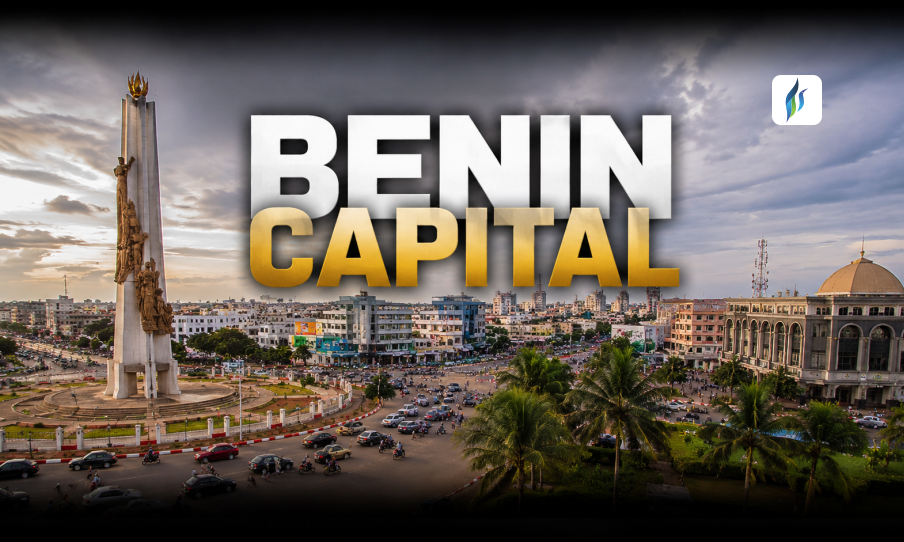
Most folks picture big West African cities such as Lagos or Accra when they imagine regional centers. Yet tucked beside the Gulf of Guinea sits a place trading frenzy for heritage, beautiful buildings, and calm seaside appeal instead. That place? Porto-Novo – Benin’s true capital by name. Though it plays second fiddle at times to bustling Cotonou nearby, this town beats steadily as the country’s governing core. Entering here feels less like arrival, more like drifting into an open-air archive where ancestral customs meet old Portuguese traces plus layers of French bureaucracy woven tight.
Start anywhere but the present when tracing how one country manages two cities at once. Not far away, Cotonou hums with meetings, embassies, and money changing hands – yet it plays second fiddle on paper. Officially speaking, Porto-Novo wears the crown, even if quiet streets replace grand declarations. Skip the usual towers; here, shade falls across wide lanes where old trees meet rust-colored earth paths. History arrives through shape and design: homes built long ago by returnees from Brazil stand like echoes of distant shores, sea voyages, and lives rebuilt after crossing oceans.
A Capital Divided Between Paper And Reality
Deep beneath the surface of Benin’s capital lies history far older than its present role suggests. Once called Hogbonu, it ruled as center of a strong Yoruba realm until European contact reshaped its identity. Renamed Porto-Novo during the 1700s by seafaring traders from Portugal, its name carried foreign echoes into local soil. Walking these lanes now means stepping past traces left behind – especially in how old buildings rise with quiet surprise. Among them stands the Great Mosque, shaped unlike what one might expect from such places. Back home after slavery, former captives built it first as a place of worship. Much like the bright, detailed chapels in Bahia, its look stands out vividly. Shaped by Brazilian influences yet rooted deeply in local belief systems, it shows how cultures folded together over time. In Cotonou, such fusion tells stories far beyond architecture alone.
Beyond its physical structures, the benin capital serves as a vital custodian of the region’s spiritual and artistic heritage. The city is a treasure trove for anyone looking to understand the profound depths of Voodoo and Yoruba cultures, which remain central to daily life here. Museums like the Honmè Museum, located inside the restored palace of King Toffa, offer an intimate glimpse into royal African life during the colonial transition. Here, ancient artifacts, ceremonial regalia, and sacred symbols are preserved, reminding visitors that the benin capital is not just a place of bureaucratic paperwork, but a sacred ground of ancestral memory. The rhythm of traditional drums and the vibrant colors of local festivals frequently breathe life into the city’s quiet neighborhoods.
In the modern era, the benin capital is gently awakening to a new identity that balances its historical weight with sustainable development. Efforts are underway to restore its crumbling colonial facades and promote eco-tourism along the shores of Lake Nokoué. The city is increasingly recognized as a center for education and cultural preservation, drawing researchers and travelers who want to experience West Africa at a more contemplative pace. Marketplaces thrive with local artisans selling intricate pottery, hand-woven textiles, and fresh lagoon fish, ensuring that the local economy remains deeply tied to the land and water. The benin capital reminds us that progress does not always require sacrificing the past.
The Historical Layers Beneath Porto-Novo
Long before colonial powers arrived, Porto-Novo existed as Hogbonu, an important center of the Yoruba kingdom. The city carried political and cultural importance long before European traders renamed it during the eighteenth century. Portuguese merchants introduced the name Porto-Novo, meaning “New Port,” reflecting the growing importance of trade routes along the coast.
Today, traces of these overlapping histories remain visible everywhere. Walking through the city means encountering reminders of indigenous kingdoms, European influence, and African resistance all at once. Perhaps the most striking symbol of this blend is the Great Mosque of Porto-Novo. Unlike traditional mosques found elsewhere in Africa, this structure resembles a Brazilian-style church with detailed facades and vibrant architecture.
The mosque was built by formerly enslaved Africans who returned from Brazil and brought architectural influences back with them. This unexpected design captures the city’s identity perfectly: African at its core, yet shaped by global histories and cultural intersections. Porto-Novo carries these influences naturally, without losing its original spirit.
Museums throughout the city also preserve these historical narratives. The Honmè Museum, located inside the restored royal palace of King Toffa, offers insight into life during the colonial transition. Royal artifacts, ceremonial objects, and historical records reveal how local rulers adapted during periods of dramatic political change. These spaces transform the benin capital into far more than an administrative center; they turn it into a guardian of collective memory.
Spiritual Traditions And Cultural Identity
Beyond history and architecture, Porto-Novo remains deeply connected to spiritual traditions that continue shaping everyday life. Yoruba beliefs and Voodoo practices still hold strong influence throughout the city and surrounding regions. Rather than existing only in museums or ceremonies for tourists, these traditions remain living parts of community identity.
Festivals bring neighborhoods alive with drumming, dancing, masks, and sacred rituals passed through generations. The rhythm of traditional percussion echoes through streets that otherwise seem peaceful and reserved. These celebrations reveal another side of the benin capital — one filled with movement, symbolism, and ancestral connection.
Markets also play a major role in preserving local culture. Vendors sell handwoven fabrics, pottery, carved wooden figures, medicinal herbs, and fresh lagoon fish gathered from nearby waters. These marketplaces are not merely economic centers but spaces where cultural knowledge continues flowing between generations.
Unlike rapidly modernizing cities that sometimes erase older traditions in pursuit of development, Porto-Novo manages to maintain balance. Modern life exists, yet it rarely overshadows the customs and values that define the city’s identity.
A Future Built Around Preservation And Calm Tourism
As African cities continue expanding at remarkable speed, Porto-Novo offers a different vision for urban growth. Rather than chasing aggressive modernization, the city has begun focusing on cultural preservation, sustainable tourism, and restoration projects aimed at protecting its architectural heritage.
Colonial-era buildings are being repaired, historical districts are receiving renewed attention, and eco-tourism initiatives around Lake Nokoué are attracting travelers interested in slower, more meaningful experiences. Researchers, artists, and historians increasingly visit the benin capital to study its layered history and unique cultural fusion.
This growing recognition may become one of Porto-Novo’s greatest strengths. In a world driven by speed and constant change, the city’s calm atmosphere feels refreshing rather than outdated. Visitors are encouraged to slow down, observe details, and experience West Africa through reflection instead of urgency.
Porto-Novo stands today as a symbol of endurance and cultural pride. It survived the scars of slavery, colonial rule, and political transformation while keeping its identity remarkably intact. More than just a capital city on paper, it remains a deeply human place where history still breathes through streets, buildings, music, and memory.
Read Also : The Essential Guide to Mastering Your Most Critical Leadership Core Competencies Today