
B2 Bomber: The Stealth Aircraft That Redefined Modern Aerial Warfare
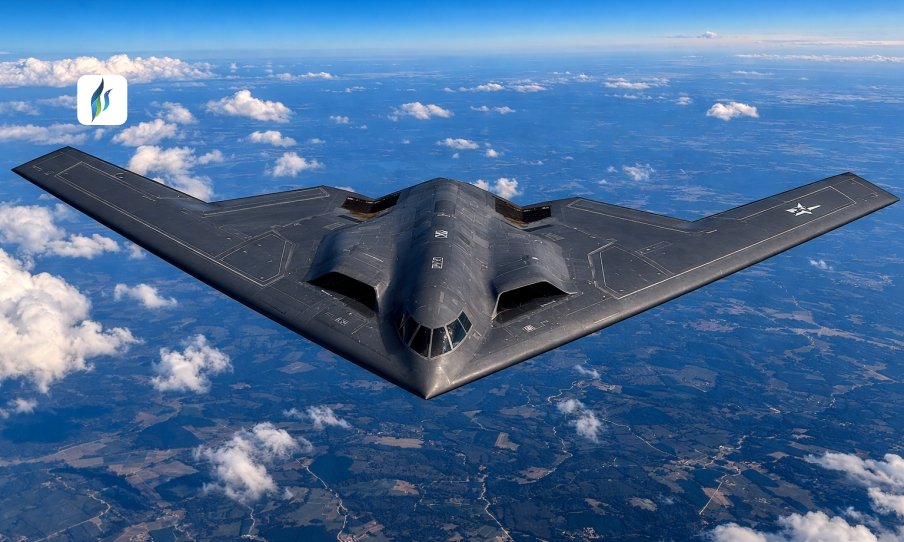
Modern military aviation has seen many breakthroughs in technology, but few aircraft have had such an impact on strategic defense systems as the B2 Bomber. This aircraft, known for its unique flying wing design, has proven to be one of the most technologically advanced aircraft to come out of the world of aerospace engineering. This bomber, designed during the final years of the Cold War, was created to penetrate enemy territory while delivering strategic strikes, all while avoiding radar detection systems.
The B2 Bomber plays an essential role in the strategic defense systems of the world today. This aircraft, designed to conduct operations beyond the reach of conventional enemy aircraft, has proven to be an essential tool in the world of military operations. By looking at the history, design, and strategic operations of this aircraft, it is clear to see its value to the world of military operations today.
The Origins of a Revolutionary Stealth Aircraft
The concept of the B2 Bomber was created during a time of great change in the world of military aviation. Air defense systems were becoming more technologically advanced, and bombers were facing greater risk of radar detection and surface-to-air missiles. This caused strategic plannersThe project required decades of research in aerodynamics, materials science, and computing technology. Engineers also integrated advanced avionics that enabled the aircraft to navigate and strike targets with extreme accuracy. When the B2 Bomber was finally introduced, it represented a major leap forward in stealth aviation, demonstrating how design innovation could transform military capabilities.
Design and Technology Behind Its Stealth Capabilities
The most recognizable feature of the B2 Bomber is its flying-wing shape. Unlike conventional aircraft with fuselages and tail sections, the bomber is essentially a single continuous wing. This structure significantly reduces the number of surfaces that can reflect radar signals, contributing to its stealth profile.
The aircraft is also built with specialized materials that absorb radar energy rather than reflecting it. Combined with precise shaping of edges and surfaces, these materials reduce the radar cross-section to extremely low levels. As a result, detection by enemy radar systems becomes far more difficult.
Beyond stealth, the aircraft incorporates highly advanced onboard systems. Its digital flight control system maintains stability despite the unconventional wing design. Sophisticated sensors and navigation systems allow pilots to conduct long-range missions in complex operational environments. The cockpit integrates advanced displays and automated controls that support mission planning, targeting, and communication.
Another critical feature is its ability to carry both conventional and strategic weapons. This flexibility enables the aircraft to support multiple mission types, from precision strikes against fortified targets to deterrence operations that require long-range deployment capabilities.
Strategic Role in Modern Military Operations
From its earliest missions, the B2 Bomber proved its value as a strategic asset capable of reaching targets anywhere in the world with minimal warning. Its long-range endurance allows it to travel thousands of miles without refueling, and aerial refueling can extend its operational reach even further.
One of the aircraft’s greatest advantages is its ability to strike heavily defended targets during the opening stages of a conflict. Because it can operate in contested airspace with reduced detection risk, it often leads initial operations designed to disable enemy defenses, communication networks, and critical infrastructure.
The B2 Bomber also supports precision warfare. Advanced targeting systems enable the aircraft to deliver guided munitions with remarkable accuracy. This capability allows military planners to reduce collateral damage while maintaining effective strike power.
Beyond combat missions, the bomber plays a significant role in strategic deterrence. Its presence demonstrates technological strength and long-range operational capability, reinforcing a nation’s defense posture. Even decades after its introduction, the aircraft remains one of the most advanced bombers ever deployed.
The Future of Stealth Aviation and Strategic Bombers
As global defense technologies evolve, stealth aircraft continue to influence the direction of military aviation. The legacy of the B2 Bomber extends beyond its operational service; it has shaped the development of next-generation stealth systems and advanced bomber programs.
Advances in radar technology and air defense systems mean that maintaining stealth superiority requires constant upgrades. Modernization programs have introduced improved communications, enhanced sensors, and updated weapons integration to keep the aircraft effective in a changing threat environment.
The B2 Bomber also serves as a bridge between earlier stealth research and the future of strategic aviation. Lessons learned from its design and deployment have influenced newer aircraft concepts that emphasize digital integration, networked warfare, and autonomous capabilities.
While newer platforms are being developed to complement or eventually replace it, the aircraft’s combination of stealth, range, and precision continues to make it a vital component of modern defense strategy. Its ability to operate where other aircraft cannot ensures that it remains relevant even in an era of rapid technological change.
In the broader context of military innovation, the B2 Bomber stands as a symbol of how engineering, strategy, and technological vision can converge to redefine aerial warfare. Decades after its introduction, it remains one of the most recognizable and strategically significant aircraft ever created.