
The Global Economic Impact and Triggers of a Crude Oil Price Drop
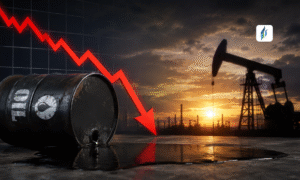
Right now, energy worldwide is changing fast – crude oil prices have fallen sharply, shaking things up. This plunge doesn’t just stir traders in New York or London; its effects spread wide. Almost every industry runs on power, so when oil shifts, it acts like a pulse check for the economy. Lower prices mean adjustments in factory expenses, shipping routes, inflation numbers, even how nations position themselves globally. To grasp what drives such drops – and their real-world consequences – you need to examine short-term supply versus demand alongside deeper trends reshaping how we use energy across the planet.
The Hidden Shifts Behind Falling Energy Prices
Something always shifts when oil prices fall, say market watchers. Usually it starts with too much supply meeting weak demand. Major producers – especially inside OPEC – pump more each day while factories worldwide slow output. Storage tanks swell under the extra flow, pushing sellers to lower bids. Buyers grow scarce as economies cool off. Higher borrowing costs from central banks add pressure, making big operations cut back on transport and power use. Fuel needs shrink quietly across ports, plants, and airlines.
Out of nowhere, tech progress quietly pushes oil prices down. Drilling methods keep getting better – squeezing more out of rock layers, reaching farther underground. The U.S., once dependent, now ships fuel across oceans. Supply lines stretch beyond old limits set by OPEC’s grip on output. More barrels arrive without waiting for approval from cartels. Markets shift fast when that happens – sometimes crashing before traders see it coming. Power moves between nations, companies digging wells, and central banks adjusting rates mix in unpredictable ways. Oil will jitter forever because of this tangled balance.
Corporate Winners and Losers in a Low-Cost Environment
The domestic and international corporate worlds react in starkly contrasting ways to a sudden crude oil price drop. For energy-intensive industries, such as commercial airlines, maritime shipping firms, and long-haul trucking companies, cheaper fuel is an incredible financial boon. A sustained crude oil price drop slashes their primary operating expenses almost overnight, drastically expanding their profit margins and allowing them to lower prices for consumers or reinvest in fleet modernization. Manufacturing sectors that rely on petroleum-based raw materials, including plastics, pharmaceuticals, and synthetic textiles, also see their production costs plummet, leading to short-term economic relief.
Conversely, the upstream energy sector faces severe financial distress during a prolonged crude oil price drop. Exploration and production companies are forced to reassess their capital expenditure budgets, often halting expensive deepwater drilling projects or pausing new shale lease developments because the cost of extraction exceeds the market value of the recovered oil. Oilfield service providers, equipment manufacturers, and local economies heavily dependent on oil revenues experience immediate slowdowns, proving that a crude oil price drop is a double-edged sword that creates localized economic depressions even as it provides broad consumer relief.
Consumer Relief and the Broader Inflation Equation
For the average citizen, the most noticeable consequence of a crude oil price drop is the immediate relief felt at the retail gas pump. Lower gasoline and diesel prices act as an immediate tax cut for households, leaving consumers with more disposable income to spend on retail goods, dining out, or leisure travel. This shift in consumer spending power can provide a temporary boost to aggregate demand across the broader economy. Additionally, because transportation costs influence the price of virtually every physical good, a crude oil price drop helps temper inflationary pressures, allowing central banks to consider lowering interest rates to stimulate wider economic growth.
However, the psychological impact on consumers can vary depending on the underlying cause of the market decline. If a crude oil price drop is driven by a severe global economic recession rather than a simple supply surplus, consumer confidence may remain low despite cheaper fuel. People might save their extra money rather than spend it, fearing potential job losses or corporate downsizing. Therefore, while a crude oil price drop technically reduces the baseline cost of living, its net benefit to society is always bound to the health of the employment market and general consumer sentiment.
Geopolitical Realignments and the Green Transition
On the international stage, a significant crude oil price drop reshapes the balance of power between energy-exporting and energy-importing nations. Countries that rely entirely on petroleum exports to balance their national budgets find themselves facing severe fiscal deficits, forcing them to draw down foreign exchange reserves or slash public spending. This economic strain can lead to domestic political instability or force these nations to alter their foreign policies to secure international loans. Meanwhile, major energy importers experience a massive improvement in their trade balances, allowing them to redirect capital toward domestic infrastructure and social programs.
Finally, a sustained crude oil price drop introduces a fascinating paradox into the global transition toward renewable energy. When fossil fuels are incredibly cheap, the financial incentive for businesses and consumers to switch to electric vehicles or invest in solar and wind infrastructure can temporarily weaken. However, progressive governments often view a crude oil price drop as the perfect window to remove regressive fossil fuel subsidies or implement carbon taxes without triggering immediate public backlash at the pumps. Ultimately, the long-term impact of a crude oil price drop depends entirely on how effectively global leaders leverage the temporary economic breathing room to build a more resilient, diversified energy future.