
How AI and Data Are Reshaping Healthcare
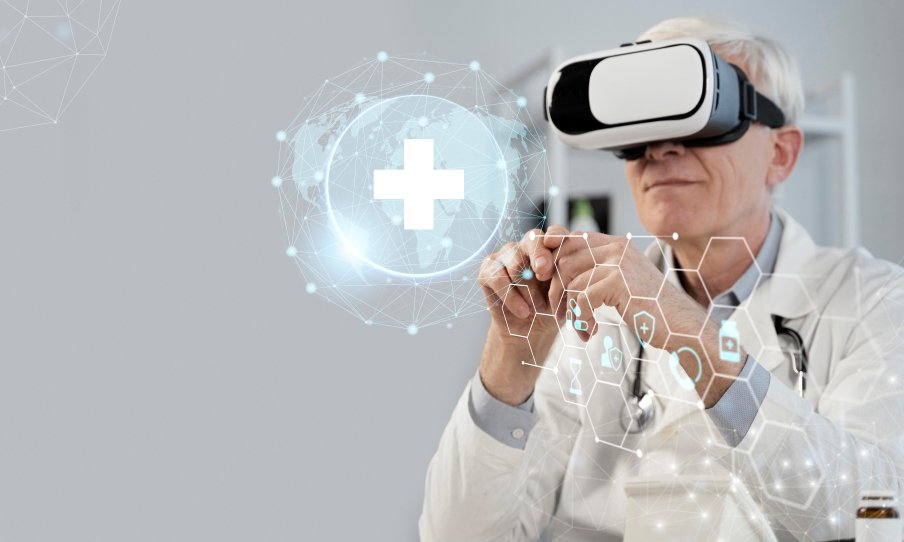
The Intelligent Hospital
The development of hospitals has entered its third stage. The modern hospital system has evolved from its past definition based on physical facilities and medical knowledge to its present form which relies on data intelligence and algorithmic systems and interconnected networks.
The intelligent hospital system represents an active contemporary development that uses artificial intelligence and data analysis to change all aspects of healthcare delivery and administration and patient experiences.
The healthcare system transformation establishes new standards for operational effectiveness, precise results, and patient-focused care throughout the entire medical field.
From Reactive Care to Predictive Intelligence
Hospital care from the past has operated as a response system that treats medical symptoms and health incidents. AI-powered systems enable organizations to develop forward-looking intelligence capabilities.
Intelligent hospitals use their clinical data, historical trends, and current information to identify potential risks before they become major issues. Predictive models support early detection of patient deterioration, infection risk, and readmission likelihood. The method increases positive results while decreasing unnecessary medical procedures.
Care teams obtain power to take action at earlier stages through insights that help them decide better than they would through time-based decision-making.
Data as the Nervous System of the Hospital
The intelligent hospital system requires its foundation to be built on data according to its operational needs. Hospitals create integrated platforms that combine clinical records with imaging studies and laboratory results, operational metrics, and patient-generated data. When hospitals establish data connections, their systems enable complete monitoring of patient health and healthcare system operations.
The advanced analytics process converts raw information into usable business intelligence. Organizational leaders use existing data to find process obstructions, which help them distribute resources better and enhance patient care operations. The data provides historical information, yet it functions as a predictive instrument that determines future outcomes.
AI Supporting Clinical Decision-Making
Artificial intelligence works as a tool to enhance clinical skills instead of delivering a complete replacement.
The decision-support systems provide assistance to clinicians through their capability to display pertinent data and present diagnostic options and treatment methods based on scientific research. Artificial intelligence improves diagnostic precision and testing efficiency in medical imaging while assisting doctors to find hidden health conditions.
The introduction of artificial intelligence enables doctors to spend more time on patient treatment because it decreases mental demands and paperwork responsibilities. The intelligent hospital system uses computer power to enhance the decision-making processes of healthcare workers.
Personalized and Connected Patient Care
The intelligent hospital creates personalized care journeys through its advanced capabilities, which enable better treatment for patients. The AI system uses individual health data to create customized treatment plans, which include medication tracking and recovery monitoring.
The use of connected devices together with remote monitoring technology allows healthcare providers to deliver continuous medical support, which starts before hospital admission and continues after patient discharge.
Active patient participation in their medical treatment is made possible through immediate access to information and digital interaction platforms. Personalization improves both patient satisfaction and their ability to achieve successful outcomes over time.
Workforce Transformation in the Intelligent Hospital
The healthcare workforce undergoes transformation because intelligent systems are becoming more prevalent. The field of data science and digital operations and clinical informatics creates new job opportunities while existing positions undergo transformation.
Hospitals achieve success through their dedication to employee development and their implementation of change management programs which assist workers in learning to use new technologies and work methods. When clinicians understand and trust AI systems, adoption accelerates and impact deepens. Technology functions as a helpful partner instead of creating interruptions.
Integrating Intelligence Across the Care Ecosystem
The intelligent hospital functions as a component of a greater healthcare system, which includes primary care facilities, community-based medical services, and home healthcare programs.
The integration of data across different environments enhances both patient movement between care facilities and the management of public health.
The system supports patient movement by maintaining intelligence throughout their treatment process, which helps to create continuous care while decreasing service delivery interruptions. Hospitals transform into central nodes that connect different healthcare services within integrated care systems.
Measuring Value, Not Just Volume
AI research, together with data analysis, creates new methods to measure outcomes that better reflect actual value than traditional volume-based assessment. Intelligent hospitals track indicators related to patient experience, clinical effectiveness, operational efficiency, and long-term health outcomes.
The enhanced measurement system connects operational performance indicators with objectives that focus on improving patient outcomes. The system of intelligence enables organizations to take responsibility for the results which hold the highest significance to both individuals and their communities.
Conclusion
The intelligent hospital brings a complete change to how medical services are provided. The implementation of AI and data into hospital operations enables healthcare facilities to achieve better results through customized patient treatment and advanced prediction capabilities and improved operational efficiency.
Human care will not be replaced through machine implementation because this transformation exists to develop human abilities through intelligent technology which helps in making better decisions and improving patient safety and achieving better results.
The intelligent hospital demonstrates advanced healthcare technology which uses artificial intelligence and data to create a system that delivers better patient care through improved technology and greater empathy and enhanced operational capacity.