
How Real Estate Developers are Redefining Residential Experiences
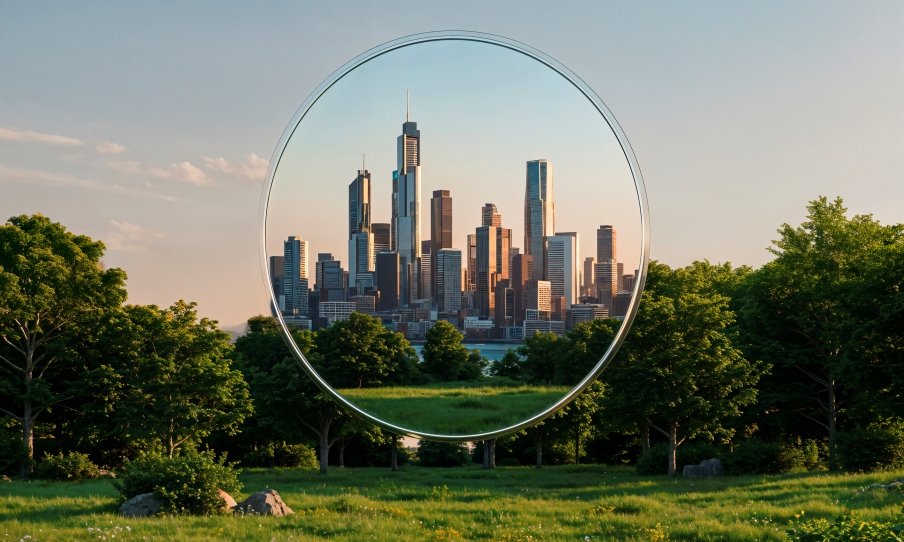
The Future of Urban Living
Urban living develops through the combination of city growth, changing lifestyles, and technological advancements, which transform human environmental interactions.
Real estate developers have shifted their focus from building residential units to creating complete living environments which provide residents with comfort and connectivity and sustainable features and community spaces.
The way people understand home has evolved because people now view their homes as complete systems that enable their work activities, personal well-being, and social interactions.
The future of urban living will develop through the creation of environments that combine flexible design with modern technologies and match the needs of present-day residents.
From Housing to Holistic Living Experiences
The traditional residential developments were centered on offering shelter and other necessary facilities to residents. Today’s residential developments strive to offer a holistic living experience that meets various needs of residents’ lives.
Today’s residential developments come with co-working areas, fitness rooms, recreational rooms, and community rooms. This has enabled developers to offer a holistic living experience to residents.
Residential developments are being planned to offer more convenience to residents while also encouraging a balanced lifestyle.
Smart Homes and Digital Integration
The role of technology has been significant in the development of the future of living. Smart home technology has enabled residents to control lighting systems, temperature, security, and entertainment systems through the use of technology.
The use of mobile apps has been instrumental in the management of building services and the ability for residents to communicate with the management. Smart technology has been useful in the efficient use of energy.
Flexibility in Residential Spaces
The contemporary lifestyle demands flexibility, especially with the emergence of a remote workforce and a hybrid workplace. Residences are being planned with multiple uses, ranging from working, relaxing, and socializing.
Flexible planning, modular furniture, and flexible interiors enable people to customize their residential spaces according to their needs. This flexibility helps residential spaces remain relevant with the ever-evolving contemporary lifestyle.
Wellness-Oriented Living
Health and wellness are emerging as important factors in residential architecture. Developers are designing their properties to include health and wellness features.
This includes access to natural light, ventilation, green spaces, fitness facilities, as well as wellness programs. Quiet areas, meditation rooms, and green spaces help create a healthy living environment.
Designing for wellness is a recognition of the connection between living spaces and health.
The Rise of Co-Living Models
Co-living spaces provide urban residents an affordable flexible housing option which combines shared living areas with private rooms for their accommodation needs. The design of co-living spaces creates an environment which fosters social connections while providing residents affordable living costs and easy access to their daily needs.
The system attracts young workers who require adaptable housing solutions together with people who want to live in a space which enables them to work and socialize.
Integrated Urban Ecosystems
Contemporary residential constructions are designed to function as components of entire urban environments. Mixed-use developments combine residential, commercial, and recreational spaces within a single environment. The system provides better access to essential services because it decreases travel time for residents. The method enables cities to achieve sustainable development by decreasing their need for transportation systems. Integrated ecosystems represent a shift toward more efficient and connected cities.
Technology-Driven Property Management
The property management industry changes because of technological advancements, which drive its development. Digital platforms enable residents to report issues, request services, and access information at any time.
Property managers use automation and data analytics to enhance their operational procedures, which results in better maintenance performance and increased resident contentment. The technology-based system guarantees that residential communities will function their operations in a smooth and efficient manner.
Conclusion
The future of urban living is being shaped by real estate developers who create new residential experiences through their innovative, sustainable, and community-driven design work. They design modern living spaces by combining smart technologies with versatile areas and health-focused elements that meet contemporary resident requirements.
Residential developments will evolve into interconnected ecosystems that promote personal health and social interaction because the world is experiencing urban expansion and changes in human behavior. Developers who embrace this transformation will play a central role in shaping the cities of tomorrow—creating spaces that are not only functional but also enriching and sustainable.