
How Schools and Communities Can Prevent Youth from Choosing the Wrong Path
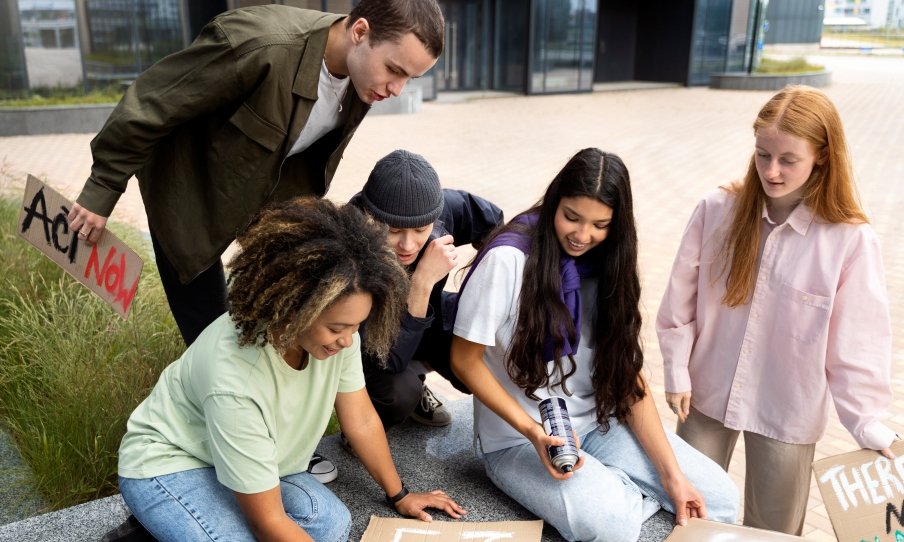
When a young person starts drifting toward risky behavior, it rarely happens overnight. It starts with small signals: skipping class, anger that feels bigger than the situation, sudden silence, new friends no one knows, falling grades, or constant conflict at home.
The good news is this: youth violence, delinquency, substance abuse, and harmful choices can be prevented. Real prevention does not come from fear-based lectures or strict punishment alone. It comes from connection, structure, support, and opportunities that feel meaningful.
Public health research highlights protective factors that keep youth safe, including strong adult relationships, positive family involvement, school engagement, and community support.
So the real question becomes: What can schools and communities do, together, to help teenagers stay on the right path?
1) Build Strong Adult Connections Inside Schools
Many students show up to school every day feeling invisible. When that happens, they look for belonging elsewhere, sometimes in the wrong places.
A powerful prevention strategy is connectedness: students feeling cared for, respected, and supported by adults at school. Research and prevention frameworks consistently show that connectedness lowers risk and improves outcomes.
What schools can do:
- Assign every student a staff mentor (teacher, counselor, coach, admin)
- Create weekly check-ins, even if it is only 3 minutes
- Train teachers to respond to behavior with emotional awareness, not shame
- Reward growth, effort, and improvement, not only top performance
When students trust adults, they talk earlier. And earlier help prevents bigger consequences later.
2) Strengthen After-School Programs That Keep Teens Engaged
The hours after school are a high-risk window for bad decisions, especially when teens have no safe place to go.
After-school programs offer structure, supervision, skill-building, and positive peer circles. When done well, they reduce risky behavior and improve long-term outcomes.
High-impact after-school ideas:
- Sports, dance, theatre, debate, robotics, and music clubs
- Homework support plus life-skills coaching
- Community volunteering tied to real causes
- Paid youth internships and apprenticeships
A student who feels useful and supported becomes harder to pull into destructive habits.
3) Make Mental Health Support Easy to Access
Many teens act out because they are overwhelmed, anxious, depressed, or carrying trauma they never learned to process.
Schools can prevent risky behavior by treating mental health like a normal part of student success, not a secret. Public health prevention approaches emphasize building safe environments and addressing risk early.
Practical steps that work:
- On-campus counselors with walk-in slots
- Peer support groups with adult supervision
- Stress management sessions during school hours
- Partnerships with local therapists and NGOs
- Early screening and supportive referrals
A teen who learns emotional regulation early has a stronger chance of avoiding violent outbursts, self-harm, or substance dependency.
4) Use Mentorship Programs That Give Youth a Safe Role Model
A single stable mentor can change a young person’s life. Mentoring reduces delinquency risk by providing guidance, accountability, and hope.
Evidence-based mentoring programs have shown measurable benefits in reducing juvenile offending and improving youth outcomes.
Mentorship programs can include:
- One-on-one adult mentoring
- Group mentoring circles
- Sports-based mentorship
- Career mentorship with local professionals
- Alumni mentorship from older students
A mentor does something powerful: they make a teenager feel like they matter to someone.
5) Replace Shame and Suspensions With Restorative Practices
Many schools still rely heavily on suspension, removal, and harsh discipline. That often pushes struggling youth further away from stability and learning.
Restorative practices focus on accountability, repairing harm, and rebuilding relationships. Research shows growing interest and evidence around restorative justice approaches in schools, especially for improving school climate.
Examples schools can apply:
- Restorative circles after conflict
- Peer mediation and trained student leaders
- Reflection sessions paired with behavior coaching
- Reintegration plans after suspension
Discipline should teach students how to recover, correct, and grow.
6) Help Parents and Guardians Feel Supported, Not Blamed
Families play a massive role in youth choices. Yet many parents feel judged by schools, or they only hear from the school when something goes wrong.
Youth violence prevention research highlights protective factors like parent-child communication, shared family activities, and supportive adult presence.
What communities and schools can do:
- Parent workshops on teen behavior and boundaries
- Family counseling support referrals
- Parent WhatsApp groups for guidance and resources
- Flexible meeting times for working parents
- Clear family-school communication plans
When parents feel respected, they engage more. When they engage more, teens feel seen.
7) Build Community Partnerships That Create Real Opportunities
Prevention succeeds faster when schools work with local ecosystems: businesses, youth centers, sports clubs, mental health organizations, and law enforcement trained in youth safety.
Public prevention frameworks emphasize community-based solutions and reducing risk factors while strengthening protective factors.
Community partnership ideas:
- Youth skill training programs
- Job-ready workshops and career days
- Local internships for high school students
- Safe transport options after evening activities
- Youth leadership councils in the neighborhood
Teens who see a future are less tempted to ruin it.
8) Teach Life Skills That Protect Teens in Real Situations
Teens face pressure: fights, bullying, online conflict, relationships, substances, and identity struggles. Prevention works when youth learn practical skills for these realities.
WHO resources highlight that school-based life skills and social skills programs can help reduce youth violence and related harm.
Core life skills that matter:
- Emotional regulation
- Communication under stress
- Saying no without losing confidence
- Handling rejection and failure
- Conflict resolution and de-escalation
- Digital safety and online boundaries
Skills build power. Power builds better choices.
Final Thought
Youth do not choose the wrong path because they are bad. Many choose it because they feel alone, misunderstood, trapped, or angry at the world.
When schools become safe spaces, when communities provide real opportunities, and when families feel supported, youth choose better. Every time.
And the best part is this: prevention does not require perfection. It requires consistency, care, and a system that refuses to give up on kids.