
Integrating SUE Early: Why Utility Engineering Must Begin at the Design Stage
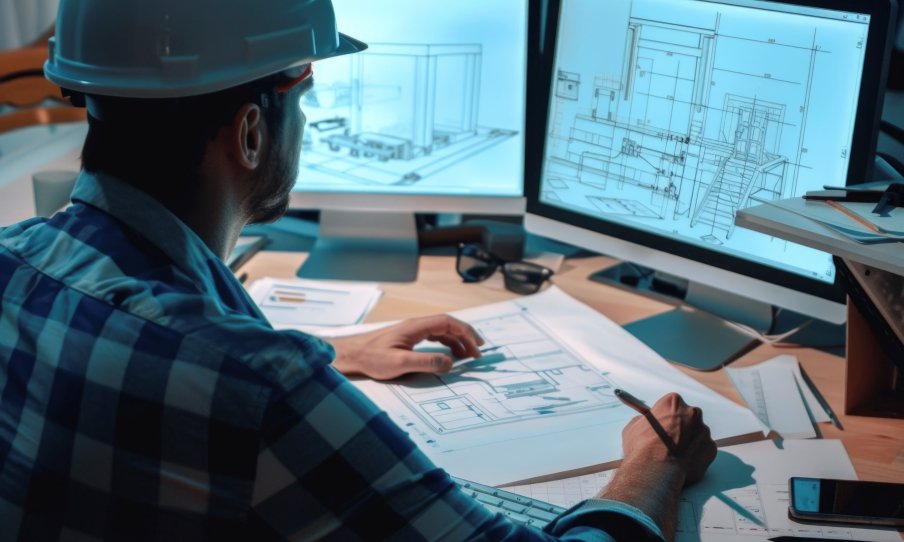
When a team sketches walls floors and roofs they often picture structural beams plaster finishes windows and doors. They seldom picture pipes conduits or cable banks under soil or behind walls. That oversight carries risk. Utility engineering involves mapping buried or hidden utilities before design moves ahead. Integrating that mapping early at design stage gives clarity about where water gas electric or communication lines course through a site. Clarity reduces chance of surprise relocations or costly delays later.
Risks from Ignoring Utility Engineering Until Construction Phase
If design proceeds without data about existing utilities the project may collide with underground pipes or cables once excavation begins. Workers may stumble upon a water conduit or gas main after breaking foundation soil. Such discovery forces redesign last minute demolition gridlock permit delays or safety hazards. Time lost magnifies budget pressure. Example exists every time an old city centre building undergoes renovation without prior survey. Hidden electric cables halt demolition until authorities inspect damage and issue clearance. That process drags weeks or months for a medium size project.
Real-World Gains from Early SUE Integration at Design
Projects that embed utility engineering at earliest design step show higher efficiency. In a campus redevelopment in a coastal region engineers used ground penetrating radar and existing utility records before drafting foundation plans. That survey unearthed abandoned water mains and deep telecommunication cables beneath planned building footprint. Designers shifted support columns and reoriented building slightly direction that avoided installation conflict. That saved estimated two month delay and thousands in extra pipe licensing costs. That example shows small effort early pays substantial dividends.
Improved safety forms another advantage. Construction crew moves with clear map of underground risks. Risk of accidental strikes on gas lines drops drastically. That reduces liability and protects workers. Insurance claims seldom arise when teams follow clear guidance from early utility survey.
Clear budgeting appears alongside schedule reliability. When utility paths remain unclear estimators insert contingency allowances or order parts with long lead times. Early clarity lets procurement align materials correctly from start. That prevents rush orders or excess waste. That keeps project cost and timeline tight and manageable.
Broader program benefits for stakeholders and environment
Early utility engineering creates trust among local communities regulators and investors. When projects operate with clear layout of existing infrastructure and minimal disturbance to soil the neighbours avoid surprises related to digging dust noise or accidental service cuts. That care demonstrates respect for community needs and regulatory compliance. Projects secure faster permits and smoother inspections. Environmental impact reduces as unnecessary excavation or replacement efforts shrink. That advantage appeals to owners who value social responsibility and long term asset reliability.
Best Practices for Embedding Utility Engineering During Design Stage
Begin with assembling existing records from local authorities utility providers or previous site plans. That information may reveal old water mains or cable corridors. Combine records research with field survey techniques such ground penetrating radar soil resistivity testing or electromagnetic location tools. In urban areas layered infrastructure demands thorough survey if site saw many modifications over decades.
Ensure design team architects engineers and utility engineers meet together early. Shared discussion about load bearing requirements soil type building footprint and utility corridors helps. That collaboration avoids clashes between structural supports and utility trenches. That yields cleaner integration of utility access panels or maintenance corridors in final design drawings.
Build flexibility in layout where utilities cross foundation zones. For example plan service shafts or chase walls along less critical early zones such as parking garages or storage wings. That choice preserves core structural design while isolating utility conflicts. Use modular utility blocks or service zones where multiple lines converge. That reduces clutter inside main usable areas and simplifies maintenance after occupation.
Final Thoughts on Starting Utility Engineering at Design Stage
Ensuring utility engineering takes place at design stage changes how a project unfolds. Early integration reduces delays safety risks and costs. It gives designers confidence while building owners gain clarity.
Projects proceed on firmer ground when utility data drives initial layout and structural decisions. That approach proves more reliable than attempting reactive adjustments later in construction when stakes rise. Thinking about hidden utilities at earliest moment gives project teams clearer path forward.
Early utility engineering becomes a cornerstone habit that pays across construction quality cost schedule and community relations. That habit builds trust for present and future developments alike. Empirical experience shows that survey tools deliver precise maps quickly and affordably. Use them early to avoid surprises. Smart teams embrace early utility planning habit.
Takeaway
Treat utility engineering as foundation for design. Engage relevant experts before pencil touches paper. Use surveys and records research early. Build layouts that respect existing underground routes. That method yields predictable timelines safer sites smoother budgets and fewer surprises during excavation or utility connection. With early SUE integration design stage becomes smarter starting point than construction phase ever could deliver.
Read More Articles: Click Here