
Interview with Prof. Dr. Chaitanya Niphadkar: Leading Education Forward
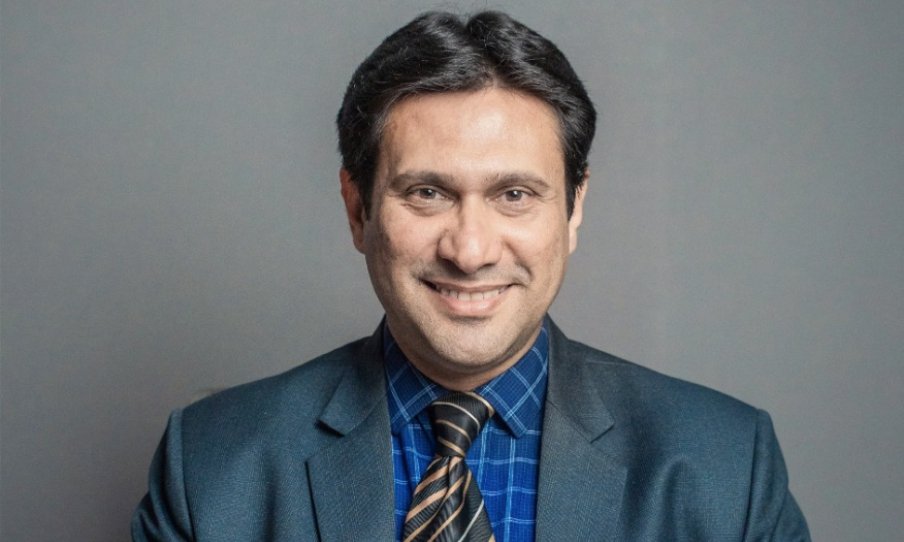
1. Briefly tell us about yourself and your motivation to embark on this sector.
I am Prof. Dr. Chaitanya Niphadkar — an academic leader, educator, author, and edupreneur with over two decades of international experience in leadership, human resources, organizational development, change management, learning & development, and sustainable education. I have held senior academic leadership roles and performed for several reputed organizations in different parts of the globe. I’m an alumnus of Harvard Business School (Boston, USA) and Lancaster University (UK) and a “Verified Educator” with Harvard Business Impact (formerly known as the Harvard Business Publishing Education). My motivation stems from a lifelong commitment to enabling human potential through education and organizational transformation.
2. What inspired you to pursue a career in education and eventually take on a leadership role?
I was drawn to education because of its transformative power. My academic journey across continents exposed me to diverse learning ecosystems, revealing the deep impact educational leadership can have on individuals and communities. Over time, this motivated me to take on leadership roles not just to teach but to shape learning environments, drive institutional change and mentor future leaders.
3. How do you define effective educational leadership in today’s evolving academic landscape?
Effective educational leadership today is visionary, inclusive, and adaptive. It involves fostering a culture of continuous learning, promoting evidence-based decision-making, leveraging technology to enrich learning outcomes, and aligning strategies with the needs of a diverse student body and the broader global community. This leadership must also empower educators and students to innovate and thrive in an ever-changing world.
4. What challenges have you faced in driving innovation within your institution, and how did you overcome them?
One of the main challenges has been bridging traditional academic models with modern, technology-enabled learning paradigms. Overcoming this requires persistent advocacy for innovation, investing in professional development, and building collaborative partnerships that blend pedagogical excellence with practical relevance. Embracing change management principles and fostering stakeholder buy-in have been key to navigating resistance and driving sustainable innovation.
5. How do you ensure that your school or university remains inclusive and equitable for all students?
Inclusivity and equity are central to institutional purpose. We prioritize accessible curricula, flexible learning pathways, and culturally responsive pedagogy. Providing academic support services, encouraging diverse perspectives in curricula, and maintaining transparent feedback mechanisms help ensure that every learner has the opportunity to succeed irrespective of background.
6. In what ways do you encourage faculty development and continuous learning among educators under your leadership?
I champion continuous professional development through workshops, research collaborations, international exchange programs, and mentoring. Encouraging faculty to engage with global academic networks and research communities fosters an environment where educators continually refine their approaches, adopt best practices, and remain at the forefront of educational innovation.
7. How has technology transformed your approach to administration and teaching strategy?
Technology has been a catalyst for transformation — from streamlining administrative workflows to enriching pedagogical delivery. Digital platforms enable personalized learning, real-time analytics inform decision-making, and collaborative tools broaden engagement inside and outside the classroom. Integrating EdTech helps us expand access, measure impact, and create more responsive learning environments.
8. What measures do you take to align your institution’s goals with community and industry needs?
We regularly engage with industry partners, conduct needs assessments, and adapt programs to reflect evolving workforce demands. Curriculum frameworks incorporate industry insights, internships, and experiential learning. By aligning educational outcomes with real-world skills and community priorities, our graduates are better equipped to contribute meaningfully post-graduation.
9. Can you share an example of a student success story that reflects your institution’s educational values?
One standout example is a doctoral candidate who, under our supervision, integrated advanced leadership research with community-based practice, ultimately launching a social enterprise that empowers underserved youth. This reflects our commitment to scholarship that not only advances knowledge but also has tangible, positive community impact.
10. How do you balance academic excellence with the emotional and social well-being of students?
Academic excellence and well-being go hand in hand. We promote holistic development by embedding social-emotional learning, offering counseling resources, and cultivating a supportive campus culture. Encouraging peer networks, flexible learning options, and mindfulness practices helps students flourish academically and personally.
11. What do you see as the most critical skills future educational leaders must possess?
Future leaders must be visionary thinkers, culturally competent communicators, data-literate decision-makers, and agile change agents. They must also be empathetic mentors committed to equity, capable of harnessing technology to enhance learning while maintaining human-centered leadership.
12. Looking ahead, what initiatives or reforms are you most eager to implement to shape the future of education?
I’m focused on expanding global collaboration networks, embedding sustainability and ethical leadership into curricula, scaling innovative learning models that emphasize experiential and lifelong learning, and leveraging AI and analytics to tailor educational pathways all aimed at preparing learners for a future defined by complexity and opportunity.