
Strategic Importance and Global Tensions Surrounding the Strait of Hormuz Today
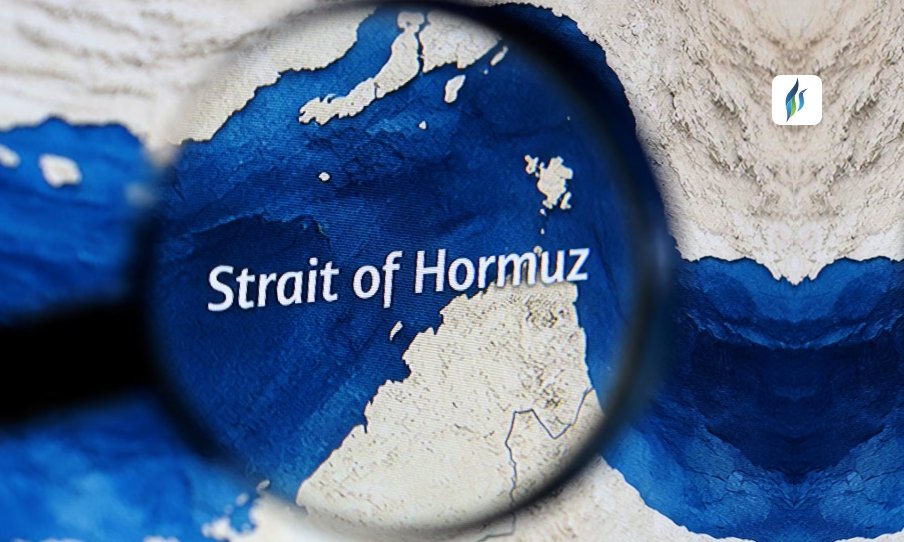
Through the Strait of Hormuz flows a heavy share of Earth’s traded oil, tucked where the Persian Gulf meets the Gulf of Oman. This slim stretch of sea matters deeply – not loud, yet vital – to how nations move fuel and manage markets. Over time, its waters have drawn attention from fleets, economies, and rival powers alike. Power shifts quietly here, shaped by location more than any declaration.
Location and Movement of World Trade
Over here, the Strait of Hormuz links big oil nations in the Middle East straight to buyers around the planet. Think Saudi Arabia, Iran – also Iraq, Kuwait, plus the United Arab Emirates – all depending on these waters to move raw oil out. Just where it pinches tight, you’re looking at roughly 33 kilometers across, still carries close to twenty percent of every drop of oil used worldwide.
Squeezed between land and sea, this slim waterway carries more than crude – think chilled gas too, much of it leaving from Qatar, a top supplier on the planet. Because so much value gets funneled through such a tight route, the Strait of Hormuz matters deeply to economies while sitting exposed to risk. When something goes wrong in these waters, ripples hit fast – price swings, delays, tension across markets worldwide. Energy pulses through here, making quiet hiccups anywhere along the path suddenly very loud.
Geopolitical Tensions and Security Concerns
The Strait of Hormuz has long been a hotspot for geopolitical tensions. Its proximity to Iran, which controls the northern coastline, adds a layer of complexity to its security dynamics. Over the years, conflicts, sanctions, and political disputes have heightened the risk of instability in the region.
Naval forces from multiple countries, including the United States and its allies, maintain a presence in the area to ensure the free flow of trade. Incidents such as tanker seizures, drone attacks, and military standoffs have underscored the fragile nature of peace in this region. These tensions not only affect regional stability but also have far-reaching consequences for the global economy.
The strategic leverage associated with the Strait of Hormuz often makes it a bargaining tool in international negotiations. Any threat to close or disrupt the passage sends shockwaves across global markets, highlighting its unmatched importance in international relations.
Economic Impact and Energy Security
The global economy is deeply intertwined with the stability of the Strait of Hormuz. Since a substantial portion of the world’s oil passes through this route, even minor disruptions can lead to significant price volatility. Countries that depend heavily on energy imports are particularly vulnerable to such fluctuations.
Energy security has become a top priority for many nations, prompting efforts to diversify supply sources and reduce reliance on this single chokepoint. Alternative pipelines and shipping routes have been developed, but none can fully replace the efficiency and capacity of the Strait of Hormuz.
For oil-exporting countries, the strait is a lifeline that supports national economies. Revenue generated from energy exports funds infrastructure, social programs, and economic development. Any prolonged disruption could have severe consequences for both exporting and importing nations, making the stability of this region a shared global concern.
Evolving Strategies and Future Outlook
As global dynamics continue to shift, the importance of the Strait of Hormuz remains constant, but the strategies surrounding it are evolving. Advances in technology, including surveillance systems and naval capabilities, are enhancing security measures in the region. At the same time, diplomatic efforts are being made to reduce tensions and promote cooperation among neighboring countries.
The rise of renewable energy and alternative fuels may gradually reduce dependence on oil, but this transition will take time. Until then, the Strait of Hormuz will continue to be a critical artery of global trade and energy supply.
Efforts to ensure stability in the region will likely involve a combination of military readiness, international collaboration, and economic planning. The future of this vital passage depends on how effectively global powers and regional players can balance their interests while maintaining peace and security.