
Top 10 Oil Refineries in the World Shaping Global Energy Today
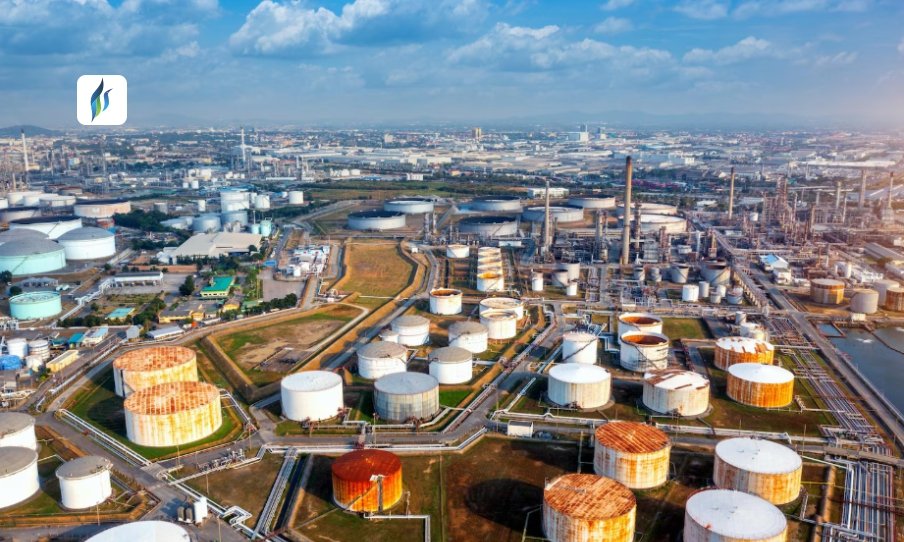
Giant machines hum day and night, turning thick black oil into the fuels that move cars, trucks, and planes. From one corner of Earth to another, huge clusters of pipes and towers process millions of barrels without pause. Size matters, yes – but so does how fast they run, where they sit on trade routes, sometimes even luck. Look closely at the ten biggest ones, notice patterns: coastal spots near oceans, room to grow, constant upgrades. Power flows through them, not just electricity – influence too, shaped by output and position alike.
Giants shaping global refining
Biggest thing about the planet’s leading oil refineries? They act like financial powerhouses, shaping local economies far beyond their fences. Take Jamnagar in India – its refining hub stands unmatched worldwide when size counts. Run by Reliance Industries, performance here draws new lines for what massive operations can look like. Complexity meets output on a level few match.
Down in the Middle East, Saudi Arabia’s Ras Tanura Refinery handles massive amounts of crude, helped by being close to giant oil fields. Over in Venezuela, the Paraguana Refinery Complex once ranked among the biggest, yet problems running it have shrunk what it can do lately.
Still leading the pack, Asia holds firm in oil processing. Thanks to busy shipping lanes and rising fuel needs, plants across South Korea, China, and Singapore have grown fast. Instead of focusing only at home, they send large volumes abroad, shaping worldwide supply flows. Their reach stretches far beyond local borders.
Technology, Capacity, and Strategic Importance
What sets the top 10 oil refineries in the world apart is their ability to process vast quantities of crude oil efficiently. Many of these refineries handle over a million barrels per day, utilizing advanced technologies to maximize output and minimize waste.
Complex refining processes such as hydrocracking and catalytic reforming allow these facilities to produce higher-value products. Environmental considerations have also become a priority, with investments in cleaner technologies and emissions reduction systems.
Location is another critical factor. Refineries situated near coastlines or major shipping routes have a logistical advantage, enabling them to import crude and export refined products with ease. This strategic positioning strengthens their role in global supply chains.
Moreover, these refineries often integrate petrochemical units, allowing them to produce plastics and other chemical products. This diversification enhances profitability and ensures resilience in fluctuating market conditions.
Economic Impact and Workforce Dynamics
The influence of the top 10 oil refineries in the world extends far beyond energy production. They generate thousands of jobs, both directly and indirectly, supporting local economies and infrastructure development.
From engineers and technicians to logistics and administrative staff, these facilities require a highly skilled workforce. Training and safety standards are critical, given the complexity and scale of operations.
In many countries, refineries contribute significantly to GDP and government revenues. They also play a strategic role in ensuring energy security, reducing dependence on imported refined products.
However, the industry is not without challenges. Fluctuating oil prices, geopolitical tensions, and environmental regulations can impact operations and profitability. Despite this, the largest refineries continue to adapt and evolve, maintaining their position as global leaders.
Looking Ahead at the Future of Refining
As the world gradually shifts toward renewable energy, the role of refineries is also evolving. While demand for fossil fuels remains strong, there is increasing pressure to adopt sustainable practices and explore alternative energy sources.
Many operators are investing in biofuels, hydrogen production, and carbon capture technologies. These initiatives aim to reduce environmental impact while ensuring long-term viability. Digital transformation is also reshaping the industry, with automation and data analytics improving efficiency and decision-making.
The future of the top 10 oil refineries in the world will likely be defined by their ability to balance traditional operations with innovation. Those that successfully adapt to changing energy landscapes will continue to lead, setting new standards for efficiency and sustainability.
In this dynamic environment, these refineries remain at the heart of global energy systems, demonstrating how scale, technology, and strategy come together to meet the world’s ever-growing demands.