
Transforming Land into Long-term Value
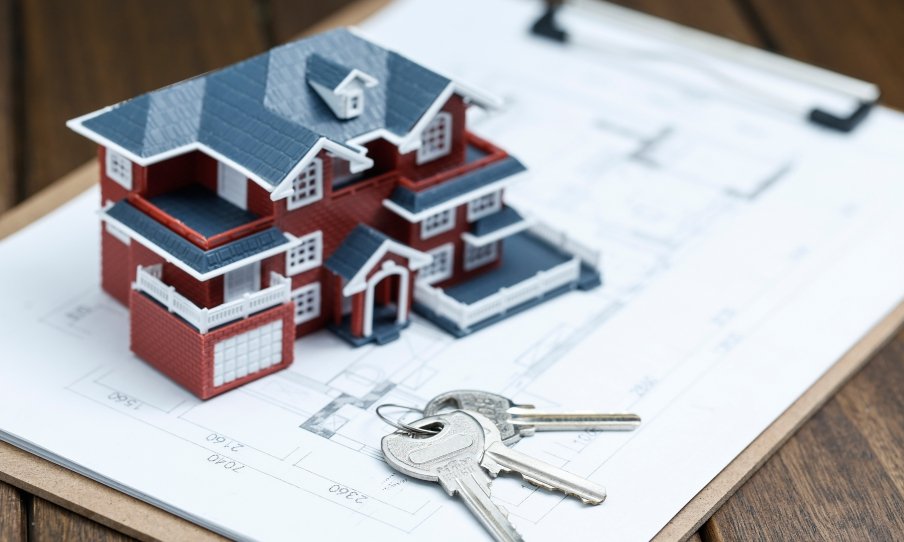
Where Real Estate Shapes the Future
The real estate industry has developed its current form through its expansion into multiple areas that include urban design and economic development, and its capacity to preserve value through time. The current development of real estate enables developers to create built environments that establish complete ecosystems that shape human behavior.
The contemporary real estate market develops its value through land development, which combines planning with technology use and sustainable building methods. The transformation shows a transition between developing projects for immediate results and creating outcomes that will last over time.
From Land Ownership to Value Creation
Real estate development originally dedicated itself to land acquisition and property development as a method to generate immediate financial returns. The traditional development model continues to exist but modern developers focus on creating value that will last for extended periods.
The space generates value through property sales and its associated experiences and services. Mixed-use developments, integrated communities and smart infrastructure systems create enduring economic and social value. Real estate properties transform into permanent assets that continuously produce value instead of existing as single-use assets.
Strategic Planning and Urban Impact
Real estate development has a major impact on urban space development. Strategic planning establishes land use patterns, which then affect both transportation systems and infrastructure development and social interactions within communities.
Developers must evaluate three elements, which include population growth, environmental effects, and economic development. Urban ecosystems receive beneficial results through planning processes that ensure that developments meet their ecological needs. The real estate industry serves as a vital force that drives urban development according to this wider perspective.
Sustainability as a Foundation for Long-Term Value
Real estate development has a major impact on urban space development. Strategic planning establishes land use patterns, which then affect both transportation systems and infrastructure development and social interactions within communities.
Developers must evaluate three elements, which include population growth, environmental effects, and economic development.
Urban ecosystems receive beneficial results through planning processes that ensure that developments meet their ecological needs. The real estate industry serves as a vital force that drives urban development according to this wider perspective.
Technology and Smart Infrastructure
The development and management of real estate projects undergoes transformation through technological advancements.
Smart buildings use sensors and automation together with data analysis to achieve optimal building performance while delivering improved user experiences. The digital platforms provide fast and efficient solutions for managing properties and engaging tenants while monitoring property operations.
Smart infrastructure systems deliver both operational ease and environmentally friendly solutions. The technology-based real estate sector develops spaces that respond better to user needs while providing more efficient operational results.
Creating Integrated Communities
Modern developments often combine residential, commercial, and recreational spaces within a single ecosystem. The integrated communities which combine various functions of their space provide residents with convenient access to their needs and improved living standards.
The placement of services within residential areas by developers enables residents to reach essential services without needing to travel far, which creates sustainable patterns of living.
Community design that centers on people creates spaces that promote social connections and active participation. The built environment of integrated developments delivers two benefits, which include practical use and educational value to users.
Real Estate as an Investment Platform
Real estate remains an important asset for investment purposes. Digital platforms, data analytics, and new financing models have changed the way investment strategies operate today. Investors now have access to more information and greater flexibility in participating in real estate markets.
The system provides transparency, which improves decision-making and market efficiency. Real estate functions as the fundamental element that creates wealth and maintains economic stability.
The Future of Real Estate Development
The ongoing urban development process will increase the importance of real estate in urban areas. Developers will increasingly focus on creating adaptive, technology-enabled, and sustainable environments.
The combination of smart city concepts, mobility solutions, and digital ecosystems will create new methods for land utilization.
The real estate sector will develop closer ties to the complete urban infrastructure. The development process now positions real estate as the main component of upcoming development projects.
Conclusion
Real estate has evolved beyond land acquisition because it now focuses on constructing future developments. Developers establish sustainable interconnected communities through their ability to transform land into permanent economic value.
Real estate leaders can create spaces that boost economic development and improve community well-being through their combined use of strategic planning and technological advancement and responsible development practices. The industry will measure success according to its capacity to deliver permanent value throughout its operational lifespan.