
AIPowered Manufacturing and Green Transition Reshape Global Industrial Landscape in 2026
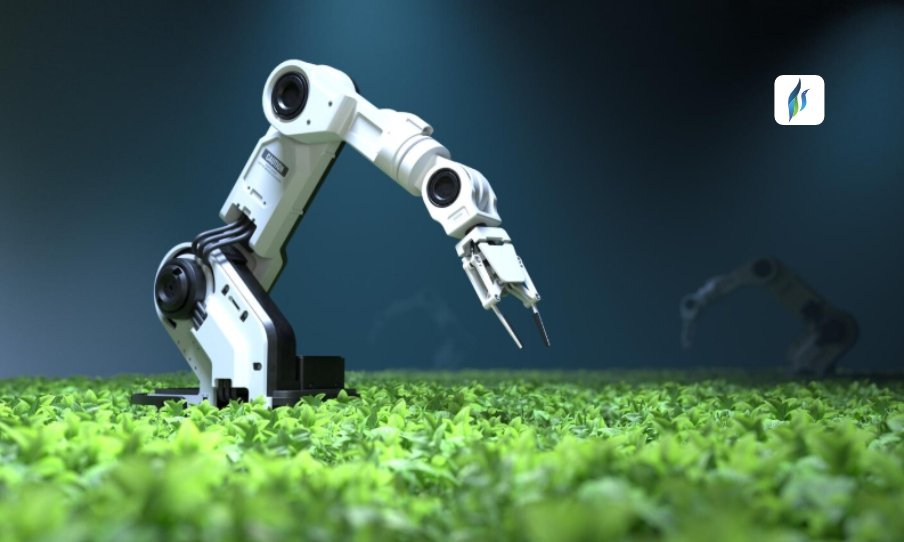
Global industries in 2026 are heavily influenced by the new phenomenon of AI-enabled manufacturing combined with the green transition as companies are competing with each other to survive in the market with changing demand, trade tensions and climate issues. Manufacturers from different parts of the world are increasing their investments in smart factories and therefore, employing agentic AI, robotics and industrial IoT to not only automate production lines and predict equipment failures but also optimize energy use.
Results of surveys conducted at the end of 2025 and the beginning of 2026 reveal a huge growth in the portion of budgets dedicated to smart manufacturing, with many companies scheduling to automate their major processes and implement autonomous production scheduling systems within the next two to three years. Due to this, the concept of micro factories powered by edge computing and AI is coming into existence, allowing for localized, highly customized production which in turn reduces logistics costs and emissions.
The industrial world is speeding towards decarbonization by using AI-enabled energy management systems to monitor and reduce their carbon footprint in plants and supply chains. Besides that, companies are using forecasting models to synchronize production with variable renewable energy availability and to deal with tariff uncertainty and trade disruptions. Experts point out that in 2030, most manufacturers will be depending on AI agents and hyperscaler ecosystems to handle hybrid cloud workloads and industrial data.